The Greatest Games: Fallout: New Vegas (2010)

Fallout: New Vegas (2010)
Developed by Obsidian Entertainment

While the Fallout series has been around for a while, the series went through a total transformation after changing publishers. The first two games were classic isometric WRPGs. As soon as Bethesda took over, they essentially changed it into The Elder Scrolls with a different setting. Fallout: New Vegas now feels like the most essential game in the series, combining the gameplay of the latter entries with the charm of the originals thanks to being developed by many involved in the older games.

New Vegas did not always sit atop that pedestal. Bethesda games are always busted, but New Vegas felt particularly unstable. When I first bought the game, I put it down after only an hour due to my character’s gun constantly bobbing up and down at random. It was the type of flaw which did not outright break the game but made the visual interface nauseating. It took picking up years later after tons of patches to see the true quality.

Fallout is at its best while being humorous. The numbered Bethesda entries have their fair share of comedy, but the settings can be a bit drab. Strolling through the National Mall in Fallout 3 is certainly a compelling experience, but the Las Vegas setting allows some brilliant nonsense.

What makes The Elder Scrolls work and thus Fallout by association is the massive amount of content to explore. Where most RPGs consist of caves and keeps, the retro-future setting of Fallout offers some truly unique locations. The series staple is the fallout vaults, which is how people survived into the present day. However, each and every vault was actually an experiment. Diving deeper and discovering their stories is always a joy. One feels lifted straight out of a Shirley Jackson social horror story while another has been overrun with fungus. The lore runs deep, always maintaining a darkly humorous atmosphere even as it descends into madness.

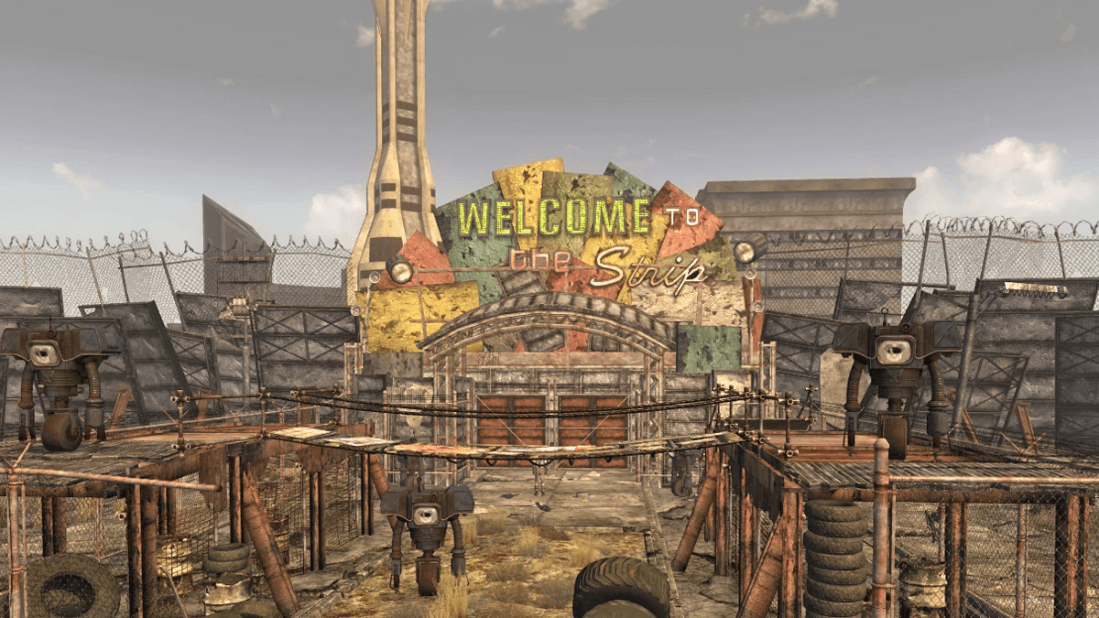
The quests are always a riot thanks to the many oddball factions. One gang consists of Elvis impersonators while one of the major factions vying for power has regressed into ancient Roman culture. The strip offers a dusty yet colorful environment, with each of the casinos having their own bonkers narrative. Despite being post-apocalyptic, so many of these areas feel alive.

I’ve always been a fan of how this series handles its nature as an RPG/FPS hybrid. The V.A.T.S. system is a stylized way to momentarily emphasize strategy over shooting. And while there are stat increases, a lot of the fun in levelling is choosing from the massive variety of perks. Some add new dialogue options, others make V.A.T.S. more versatile, while another reveals the entire map. There are so many ways to play this game, especially when considering the typical morality system which offers several ways of handling each quest. One of the most ingenious details is how dialogue options can change depending upon your build – including some special lines when your character is particularly unintelligent.

We put up with Bethesda’s glitches because the core experience tends to be so strong. There’s just so much to do here, and the game accommodates whatever playstyle you choose. With Obsidian’s brilliant writing, New Vegas is simply the best Fallout game.
The Greatest Games: Hollow Knight (2017)

Hollow Knight (2017)
Developed by Team Cherry

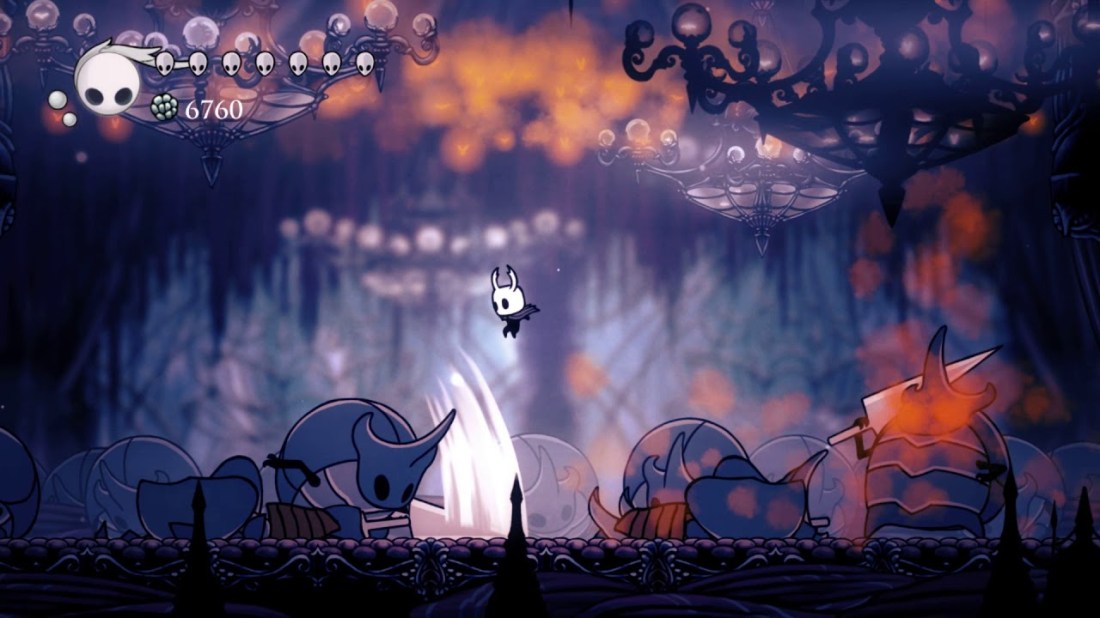
Hollow Knight merges two subgenres which regularly prove hard yet popular to imitate. Instead of having a proper title, both of these are named after the games which started it all. This is not a unique trait – the first-person shooter genre was commonly referred to as Doom clones. FPS became the popular term once other games improved upon its foundation. This suggests that other entries in these subgenres have failed to differentiate themselves enough to force us to collectively determine another name. Looking at my own top 100, this appears to be largely true – Hollow Knight is the only game here belonging to the Metroidvania and Soulsborne subgenres outside of, well, Metroid, Castlevania, and From Software’s variously titled games. The fact it manages both would seem an extraordinary feat, but the truth is that these two genres share many common elements. Hollow Knight exploits this to massive success.

A Metroidvania game does not necessarily need a map, but lacking one tends to be a frustrating feature. Hollow Knight manages to maximize its tension by delaying this element. Each new area requires finding a cartographer who sells a basic map, forcing you to stumble around blind until you pick up his literal paper trail. Even once you find the map, it does not automatically update with each step – the knight must rest at a bench first. This little change makes a massive atmospheric difference, which is key to selling the Soulsborne experience.

Another key element of Metroidvanias is a world where each area needs to be revisited, and Hollow Knight is loaded with hidden rooms. A lot of paths are blocked by requiring upgrades, but many of these locations have alternative entrances. Hollow Knight feels very open compared to others in the genre, which can sometimes feel like linear games with the illusion of limitless direction. Large swaths of Hollow Knight can be taken in any order. There are also dozens of side areas I passed over repeatedly before finally noticing an entrance – once you think you’ve seen everything, you’ll suddenly discover an entire sub-area with its own boss. There was even an early game boss I failed to stumble across until I neared the end. Most Metroidvania games will have a few hiccups where there’s only one rather obtuse path forward. Hollow Knight simply has so many paths and such an open structure that you’ll never run out of places to explore.

Hollow Knight features many of the surface-level Soulsborne elements, such as the need to recover resources from wherever you died and the bench-to-boss runs. But what really sells these games are their foreboding atmospheres. Many developers confuse this for brutal difficulty despite the Souls series employing an unusual system for mitigating the challenge if desired. Hollow Knight is just challenging enough. Bosses like the Watcher Knights will absolutely roll you over in the first few attempts, but it never feels unmanageable. The patterns are clear enough to show why you failed; the challenge is less about overwhelming the player and more about understanding the exact moments to attack. The gameplay is effortlessly smooth, ensuring that these numerous attempts are actually enjoyable.

But, again, these games aren’t hard purely for the sake of difficulty. They make each new and sprawling location feel like a reward, giving a sense of trespassing within places which needed utmost protection. At least from my perspective, the true joy of this genre is not the boss fights but seeing the massive world unfurl. By giving only the slightest direct information, these games largely rely on environmental storytelling. A lot can be gathered just be seeing which bosses are protecting which area, and the lack of explanation makes some locations truly terrifying despite the cartoonish art style.

The lack of RPG elements actually feels essential here. Instead of simply levelling to gain power, improvements are scattered across the world. In the rare case you do come across a boss which seems too hard to manage, that’s all the more reason to turn around and explore another corridor. With dozens of charms to equip, mask fragments which increase health, and pale ore to improve your weapon, there’s always something around the corner which might give the right advantage. You may end up grinding to be able to buy a few great charms, but the most charming element of this game is the way it rewards constant progression.

Hollow Knight is all about the sensation of being lost. In fact, this might just be the biggest Metroidvania out there, and the whole experience is dizzying. From the first descent into the Forgotten Crossroads to the absolutely nightmarish run through the White Palace, every area leaves its mark. Maintaining the perfect difficulty to be challenging but never hard enough to outright block progression, Hollow Knight captures the spirit of Dark Souls while remaining surprisingly accessible.

The Greatest Games: Resident Evil 7: Biohazard (2017)

Resident Evil 7: Biohazard (2017)
Developed by Capcom

The Resident Evil series has now gone through three distinct eras. The original games helped establish the survival horror genre, while Resident Evil 4 turned the series toward the third-person shooter genre. Neither of these eras were particularly scary. The earliest games might have gotten a few jumps here and there, but they were built more around the tension of navigating a contained location with esoteric puzzles. The horror was largely aesthetic.

Resident Evil 7: Biohazard, on the other hand, took a ton of influence from contemporary indie hits and delivered one of the most terrifying video game experiences. The problem in earlier entries is that, no matter how scary the monster you faced, you were playing an armed officer. Here, you play a completely ordinary person who was simply searching for his wife after receiving an alarming video. Mix in some seemingly immortal enemies, and you get a recipe for hopelessness. Every moment is suspenseful, as you never know when the Bakers will show up.

The opening sets the stage so perfectly. Having the first encounter be Ethan’s own wife establishes something being very wrong – and things were already bad with the basic concept. There’s a moment during this fight where you will likely assume you made a great mistake, only for the moment to keep playing out. So many horror games have introduced grotesque scenes as punishment for failure. Having such a moment be a scripted event results in several forms of emotional whiplash, establishing this game will be just as terrifying as it first appeared.

Like the original, Resident Evil 7 does a perfect job of keeping itself contained to a small location. The Baker Mansion is intricate, filled with dozens of horrifying corridors. This location also avoids the typical video game mansion design, where there are rooms which seemingly serve no purpose beyond being a puzzle in a video game. This feels like a place people might actually live, which makes the nauseating design all the more effective. There’s more to this game, but the slow pacing really emphasizes every corner.

The Bakers themselves are among the more striking villains I have encountered. RE7 draws explicitly from the Texas Chain Saw Massacre in tone, and they are a perfect take on the redneck hillbilly trope. The game also doesn’t settle for that somewhat problematic design; there’s a sad, twisted tale beneath these events to make this more than just the story of a man escaping psycho killers. Every encounter set my heart racing, though it’s a strange effect of video games that they are least intimidating during their boss fights. Like the shark from Jaws, they operate better as a threat than a direct encounter. The common mooks known as Molded are equally terrifying, operating more in the Lovecraftian pulsing horror vein.

The game maintains a consistently stressful tone while also shaking things up every stage. Some of my favorite moments involve VHS tapes which Ethan finds, putting the player in control of previous victims. Their integration is ingenious, as Ethan learns key details to aid his own survival. The best of these places a character in a morbid escape room puzzle straight out of the Saw franchise (with two of the franchises featured in this list seemingly drawing from Saw, I guess that series was good for something after all).

The best things about Resident Evil’s constant reinvention is that each era has featured at least one all-time great video game. When these games change things up, they have purpose in doing so. There are times where Resident Evil 7 barely feels like part of the actual series, yet it feels like the fulfillment of what Resident Evil would have offered from the beginning if it only had the technology.

The Greatest Games: Mass Effect 3 (2012)

Mass Effect 3 (2012)
Developed by BioWare

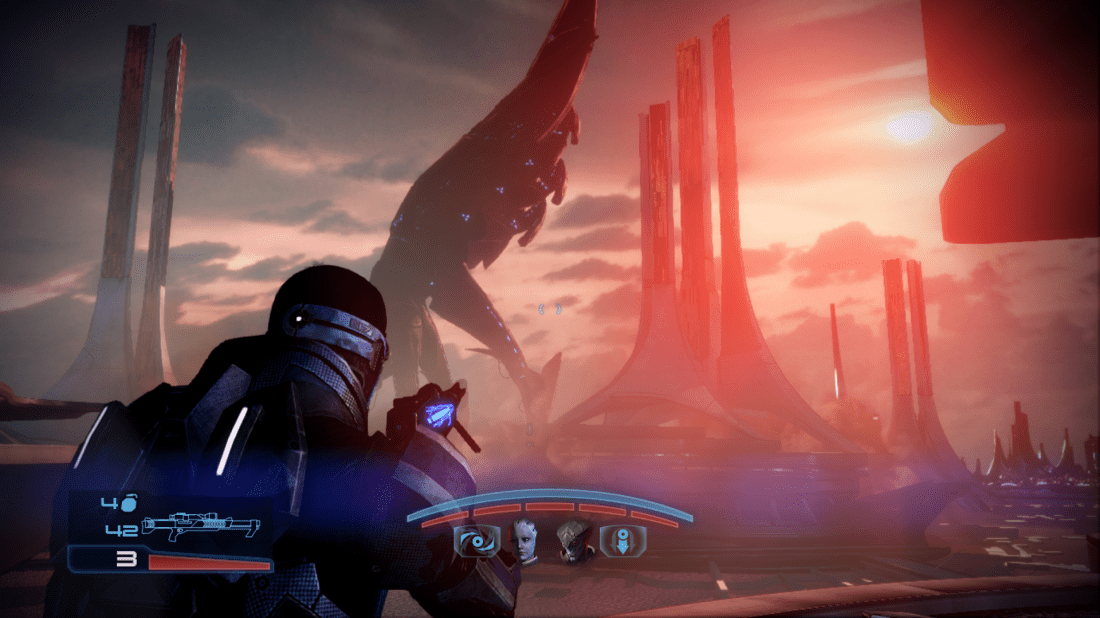
How wonderful it would have been to experience a game like this before the internet outrage machine. It felt as though everyone had made up their mind about this game’s awful ending before even touching the game itself. And that ending certainly put a damper on my experience – after playing the first two Mass Effect games multiple times, I only bothered with a single playthrough of Mass Effect 3. There seemed to be little point in seeing how my choices would affect things when the series ended in a funnel. But this is an epic RPG, and focusing so much on a failed landing ignores everything else which this game does remarkably well.

Mass Effect 2 transformed the original game’s wonky combat system into one of the best I have ever experienced, and Mass Effect 3 builds upon that. The RPG mechanics naturally lock the player into a certain role, but the addition of cooperative multiplayer missions give the option to experience tons of styles. I mentioned before that I only played through this game once, and while part of that was due to the ending, another part is that the game simply offered more chances to experience all the different styles without needing to start a new campaign. While integrating success here into the campaign was a questionable choice, this decision did force an active community into what turned out to be one of the game’s strongest aspects. There’s also the simple pleasure of finally being able to play as the other species in the series, each coming with their own abilities.

Like so many other choice-based experiences, Mass Effect 3 makes up for a lack of true control by having consistently stellar writing – the real reason the ending is so bad is not the lack of impact from previous decisions but by the entire experience feeling disconnected and poorly written when compared to everything else. They tried to go the 2001 route without surrealism, and this is simply not what the series was building toward. This feels particularly egregious because the rest of the game juggles so much more with style.

Each of the Mass Effect games capture the galaxy in a different atmosphere, and the apocalyptic nature of 3 fulfills what the series was promising would happen. Watching these worlds being attacked is devastating, which really emphasizes our investment in these alien species.  The biggest success in this story is managing to focus on the interspecies conflicts which have been brewing since the first installment. Everything comes to a head here. One would think people would come together in such dire circumstances, but so many of these species have been pushed to the edge. A galactic civilization built upon acts of genocide, several species doubt their survival whether or not the reapers kill them all. Many games with dire situations can feel like the protagonist is being distracted by minor squabbles, but this game benefits from the series having weaved an intricate political web. Even with the entire galaxy falling apart, every minor issue has a sense of urgency because Shepard needs everyone unified without distractions.

Despite one glaring flaw, Mass Effect 3 feels like everything fans could have wanted – an oppressive atmosphere, strong writing and callbacks, all wrapped around a perfect third-person shooter/RPG hybrid.

The Greatest Games: Mario Kart 8 (2014)

Mario Kart 8 (2014)
Developed by Nintendo EAD

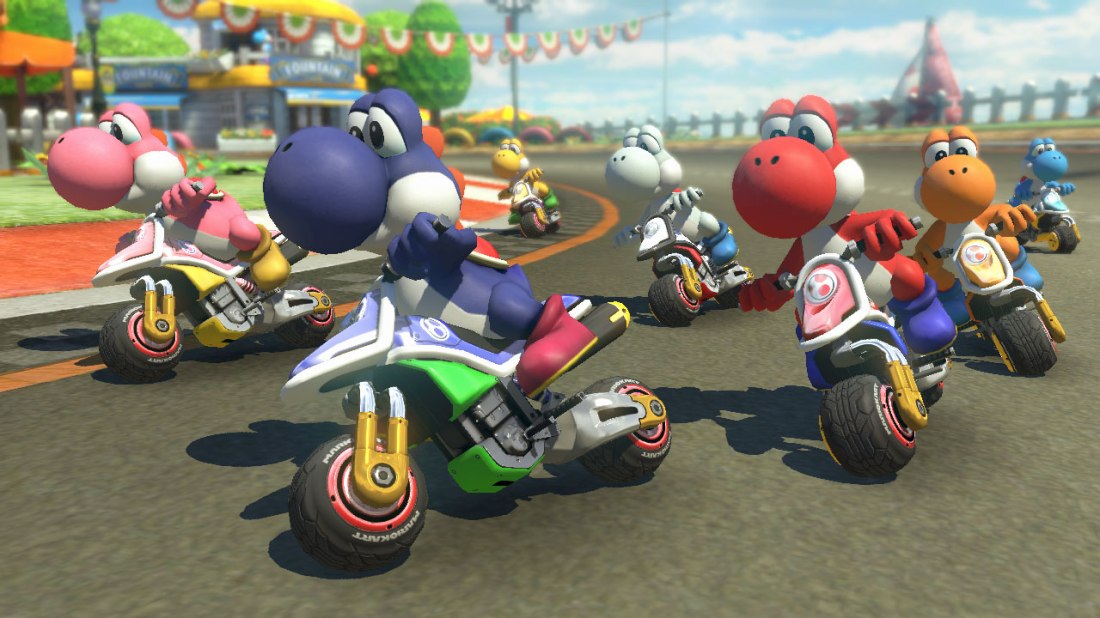
Before Melee and when I had to visit my cousins for a chance to play anything Nintendo, Mario Kart 64 was the easiest way for us to all play together. Some have been better than others, but the Mario Kart series has moved from there with a general upward trajectory. The latest entry feels all-encompassing, avoiding technical pratfalls while being loaded with excellent tracks.

A key element about both Mario Kart and Super Smash Bros. that I see many complain about is the luck-based elements. Smash luckily has the feature to turn those random elements off. As a kart racer, items are central to Mario Kart’s design philosophy. What I think people overlook is that these elements are what raised these series out of their niche genres. Both traditional racers and fighting games have a glaring flaw due to their focus on skill. New players are going to be trounced. While these games are good for actual competitions, anyone stuck with a few inexperienced friends is going to have a rough time convincing them to keep trying. I’ve met a few fighting game enthusiasts who simply can’t participate in their hobby – they’re caught in an awkward place between being too good for locals but not good enough for professional tourneys.

In Mario Kart, items give everyone the feeling they can influence the race, no matter their skill level. Key to Mario Kart 8 is there being enough ways to mitigate damage as the top player. Skill is still the determining factor 90% of the time, but that little sliver gives everyone else hope. For anyone who prefers playing with ordinary friends, this perception is a must. ‘Realistic’ racing games simply can’t offer that experience.

With 48 tracks, Mario Kart 8 is by far the largest game in the series. What makes this truly special is that there are many I love and very few (if any) I outright dislike. By offering both quality and quantity, Mario Kart 8 goes one step beyond its predecessors.

The highlight here is Mount Wario, a track which feels more like skiing down a snowy mountain than a traditional race; unlike most other tracks, Mount Wario does not loop. This is simply one massive track. Each track carries a distinct energy, from racing through a flashy nightclub to balancing atop an eel to staples like Bowser’s castle and Rainbow Road. Plenty of great classic tracks come back, while the DLC expansion (which comes with the Switch version) features tracks based on Zelda, Animal Crossing, and F-Zero. There’s just so much on offer here, and it’s all top quality.

For those looking for a challenge, the game introduces a 200cc mode. At this speed, every track becomes a nightmare to navigate. I feel like anyone who played this series started off by bashing into walls and drifting off edges during sharp turns. 200cc is a new way for even experienced players to revisit that frustration!

Mario Kart has always filled its niche with quality games, but most entries lacked a serious oomph. They were the side game that you might as well purchase if you’re already getting a Nintendo system, rare games which go well with parties. With so much quality content and smooth mechanics, Mario Kart 8 is the first time the series has felt like a central draw.

The Greatest Games: The Binding of Isaac: Rebirth (2014)

The Binding of Isaac: Rebirth (2014)
Developed by Nicalis

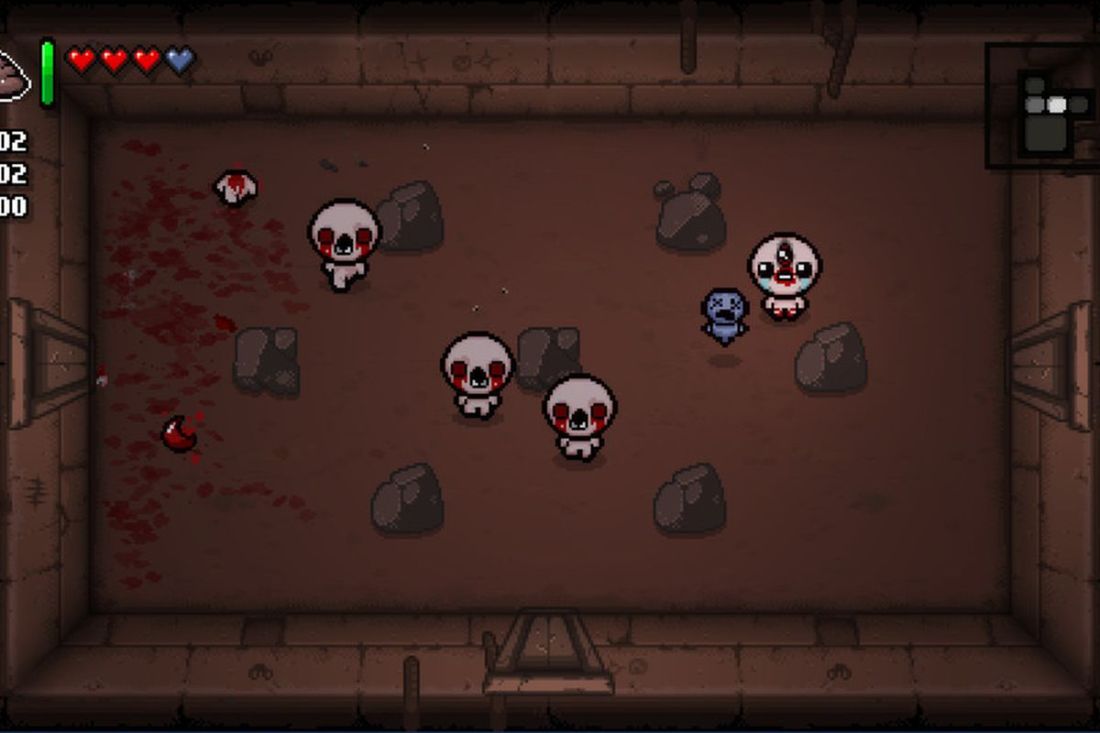
I kind of hate liking The Binding of Isaac as much as I do. Everything about its aesthetic falls into this unbearably edgy form of dark comedy. Where Zelda has Link breaking open pots, Isaac is stuck sifting through piles of poop as he fights against evil. There are even several allusions to internet memes like rage comics. Nothing about this should work for me.

But with hundreds and hundreds of hours played, I cannot deny this is one of my favorites. Everything about its gameplay design makes it easy to just pick up when I have a little bit of free time, and the cycle tends to suck me into several subsequent attempts. This is as addictive as video games come.

While designed to look like a Legend of Zelda game, Binding of Isaac plays more like a twin-stick shooter. You control Isaac, a poor child attempting to escape his abusive mother. After making his way into the basement, he has to fight his way through enemies by shooting them with his tears. Each floor has a treasure room and a boss fight, both of which give power-ups.

Binding of Isaac excels through the sheer volume of its content. With the latest expansion, there are over 400 items which change Isaac’s stats. These vary from simple stat boosts to total changes in gameplay. One makes Isaac spew a torrent of blood, piercing objects and killing most enemies within seconds. Another turns his tears into remote controlled missiles. With its semi-roguelike nature, every playthrough is different. Part of what makes this special is how these various items can synergize, and particularly poor combinations can make things impossible – there’s nothing quite like having exploding tears which boomerang their way back to Isaac any time he misses.

Part of the fun is how this game slowly evolves. In the beginning, there are only six levels, culminating in a fight against Mom. As you keep playing, more and more stages unlock with various paths – a full playthrough ends up being twelve stages, with most floors being larger than the last. These levels also have distinct variations which can randomly pop up. While a few bosses are always set, most floors have dozens of options, and they each offer a fun fight (except The Bloat, of course). With each playthrough lasting between a few minutes if you’re unlucky to around 40 if you manage everything, Isaac is short enough to give multiple fulfilling attempts in the same sitting.

The game is also loaded with alternate characters with their own specialties and handicaps. There are also several challenges which give specific loadouts; some are silly while others are as challenging as the game can get. All of these features come with the additional incentive that successful completion unlocks a new item. There’s always something more to do.

The Binding of Isaac borders on infinite variability. Plenty of games can claim the same. What makes this game in particular special is how simple yet challenging it can be. Anyone can pick this game up with ease, as the gameplay simply consists of moving and firing. But like any good shooter, getting down enemy patterns is the key to success, and Isaac is loaded with hundreds of fun enemies to master. Or you might just end up with a combination which kills even the final boss in ten seconds – either option is fun.

The Greatest Games: Final Fantasy XII (2006)

Final Fantasy XII (2006)
Developed by Square Enix

It feels like every Final Fantasy since VII has split the fanbase. The polar opposite of Dragon Quest, Final Fantasy has always tried to redefine itself. Those between IV and IX were slight variations, focusing more on different ways to build your characters while featuring the same combat system. X overhauled that central system but still felt like a Final Fantasy. XII goes so hard in the other direction that, if not for its title and a few familiar creatures, one could have easily assumed it was a new series entirely.

I’m not going to pretend Final Fantasy XII is flawless. Previous Final Fantasy games have some of the most beloved casts in gaming – the only great character from XII is Balthier. For whatever reason, XII went with a more subdued and realistic art style, leaving most of the cast looking mundane. A messy production left non-entity Vaan as the protagonist, and the narrative is almost impossible to follow. Those drawn to the series for its stories had every reason in the world to be disappointed – it took until the 2017 rerelease for it to really click with me.

But once it clicked, it hit hard. XII is sometimes derided as a single player MMORPG. For me, it lands in the perfect place between the two genres. This is about as big as JRPGs come, yet it never gets as overwhelming and demanding as a full MMO. There’s so much to explore, but it never leaves you waiting or needing to endlessly grind.

A common complaint from its release now seems rather precious. Instead of controlling every individual action for each character, the game has something it calls a gambit system. You are given up to 12 lines of “if x, then y” statements for each character. The earlier lines take precedence, so you can set up your healer to raise the unconscious first, heal if no one is knocked out, and then attack if no one needs healing. It’s an ingenious system which allows fluid combat, which is key since this game avoids random encounters by having enemies integrated into the locations. With more RPGs moving toward action combat where the AI controls everyone but the main character, it’s shocking more games haven’t expanded on this feature to give the player precise control over their teammates. The only other game I know which uses a similar system is Dragon Age. While this can cause a lot of battles to essentially play themselves, I find this intricate programming preferable to mashing the attack button against random mobs. The player can always give commands when necessary, and there are plenty of hard encounters which will require restricting the programming. Combat in XII feels a lot more tactical than its predecessors, even when much of it is hands-free.

I’ve always been a fan of how Final Fantasy manages to reinvent leveling, and the license board started off as an intriguing concept which was fully brought to life in the rerelease. The original version gave everyone the same board, giving the player control over what path to send their characters down. The Zodiac Age mixes this with the underutilized job system and dual-classing, limiting the characters but guiding them down distinct paths. Deciding which ability to go after next is always a tough decision. Every RPG should aspire to make levelling this fun.

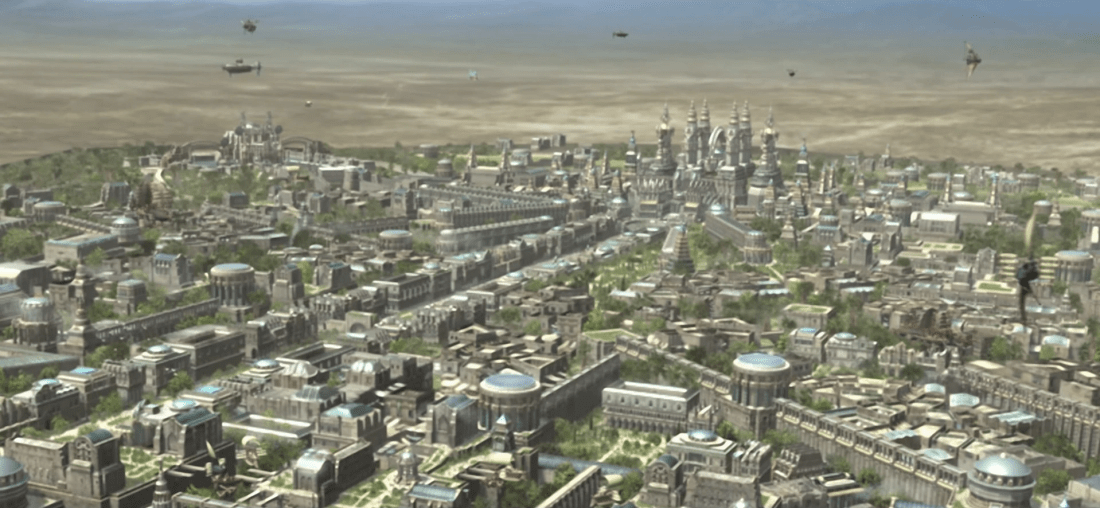
While I mentioned that the art style does little favor for the characters, the world itself is breathtaking. Few cities in gaming feel as alive as Rabanastre. Having enemies scattered across the land leaves every location bustling with life. Later locations are colossal, and the pure variety makes it feel like you are truly trekking across every inch of this world. There are dozens of side quests, and I wanted to do all of them just to visit every corner. In fact, I believe this is the only game where I bothered to get the Platinum trophy, simply because I was having so much fun seeing all this game had to offer.

Beyond simple scope, the world has a mesmerizing layout. Nearly every location has some passage sitting just out of reach. Many late game quests involve revisiting these areas and finally seeing what lies beyond those gates. Final Fantasy XII is constantly building a sense of intrigue.

14 years later, Final Fantasy XII still sits in a perfect niche. The only game I know which captures that not-MMO style is Xenoblade Chronicles. How more games haven’t followed in their footsteps is baffling, though it takes a lot of effort to make a world this awe-inspiring. While never capturing the typical Final Fantasy charm, XII managed to excel with its own distinct magnificence.

The Greatest Games: Dragon Quest XI (2017)

Dragon Quest XI: Echoes of an Elusive Age (2017)
Developed by Square Enix

If Dragon Quest VIII perfectly merged the classic gameplay of the series with evolving visual capabilities, Dragon Quest XI is that plus more. The appeal to a classic structure feels even more relevant in its era, when Square Enix’s other flagship franchise turned away from turn-based combat to little success. The JRPG is not quite what it used to be culturally, and sometimes it’s good to stick to a familiar formula. Honestly, turn-based combat is like the 2D platformer; it only feels archaic because it’s an idea that worked from the beginning. There are variations, but there’s nothing which can outright improve upon it without becoming something else entirely.

The changes XI does make keep to the simple nature while giving the player more control. Previous Dragon Quest games required choosing everyone’s actions at the same time, and then the entire round would play out. Here, you get to choose actions as the individual turns come up. The game also has a larger cast than earlier entries, which is incorporated with the option to change party members mid-combat. Overall, Dragon Quest XI feels like a hybrid between its own series and where Final Fantasy might have ended up if it stuck closer to FFX. Even the ability board feature feels straight out of the PS2 Final Fantasy era.

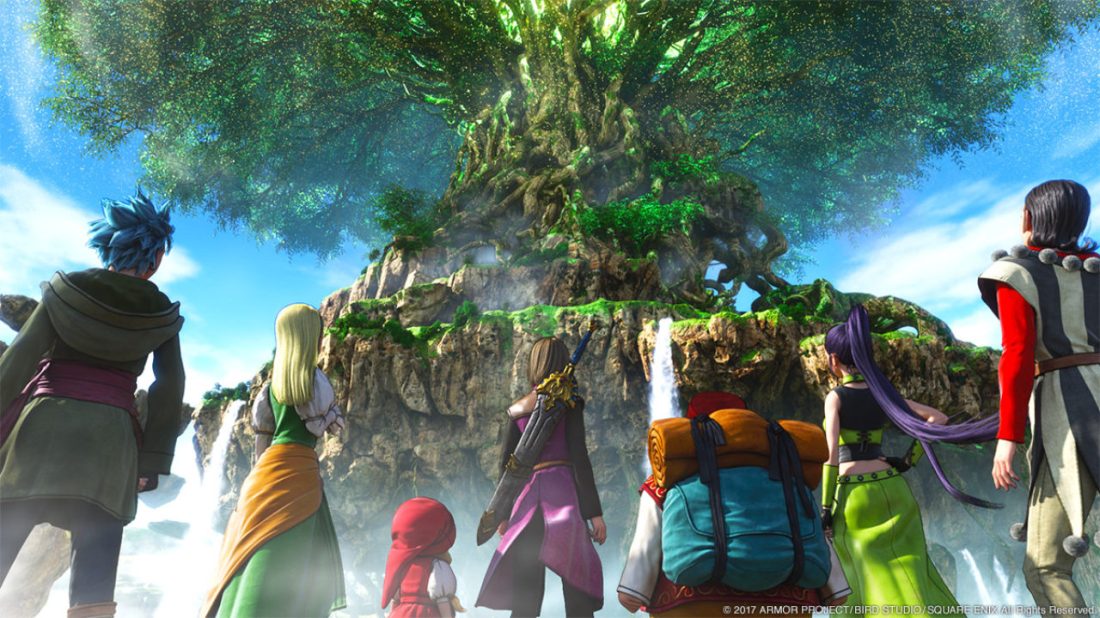
Like VIII, XI features a massive world to explore. This time around, locations are more clearly divided, but they still evoke a massive sense of scale. This is simply a gorgeous game to look at, and its colorful art style is a nice change of pace from most modern epics. There’s something about Akira Torimaya’s style which speaks to me, even if a lot of his characters end up looking similar. The individual enemies and subplots are charming as always. It’s simply rare to get something with such a grand scale while maintaining a consistently pleasant atmosphere.

The characters in Dragon Quest tend to be two-dimensional, but many in XI have stronger personalities. The biggest surprise is Sylvando. When you first meet him, it’s easy to assume he’s going to be the worst gay stereotype. He’s flamboyant and loud, but the narrative never relegates him to comic relief. He’s as brave as any knight; he simply wants to make people smile while protecting them. There’s a ton of other baggage usually associated with this type of character, but Sylvando is simply an exuberant presence. His storyline also runs deeper than this surface presentation, showing he has his own conflicts to sort out. While his behavior can still come off as stereotypical, it’s never in a negative fashion – and I have met plenty of gay men who intentionally put on this sort of persona. What’s wrong with being flamboyant?

Dragon Quest XI is a game for those wanting an update on something familiar. Everything about it feels like a greatest hits collection of JRPGs from the genre’s glory days. If this is just the same Dragon Quest as always, then that simply means there’s never been anything wrong with Dragon Quest. But it’s all that and a little bit more.

The Greatest Games: Grand Theft Auto: San Andreas (2004)

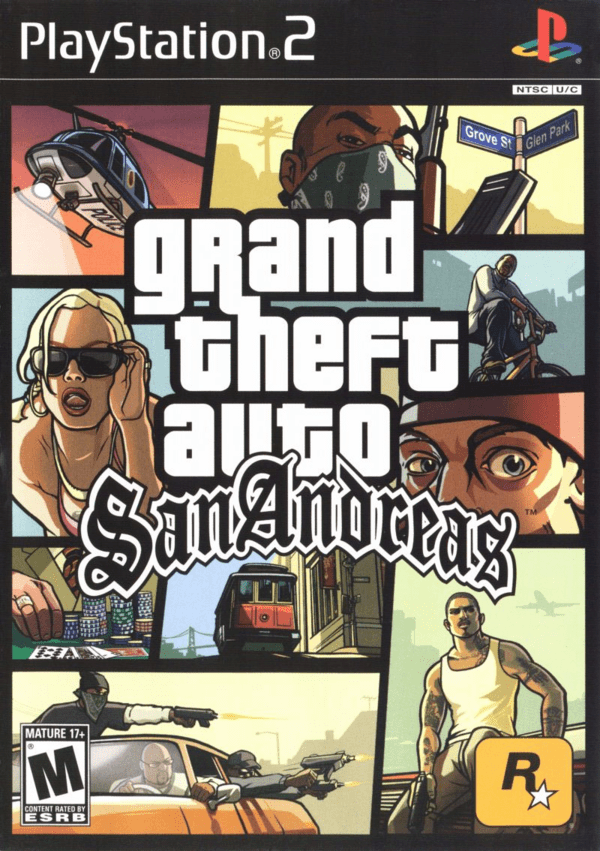
Grand Theft Auto: San Andreas (2004)
Developed by Rockstar North

With both Grand Theft Auto IV and Red Dead Redemption 2, Rockstar was explicitly aiming to make compelling narratives. For whatever reason, their idea of ‘compelling’ involves a lot of unnecessary realism and bleak presentation. Despite its sometimes silly nature, Grand Theft Auto: San Andreas managed to say just as much if not more.

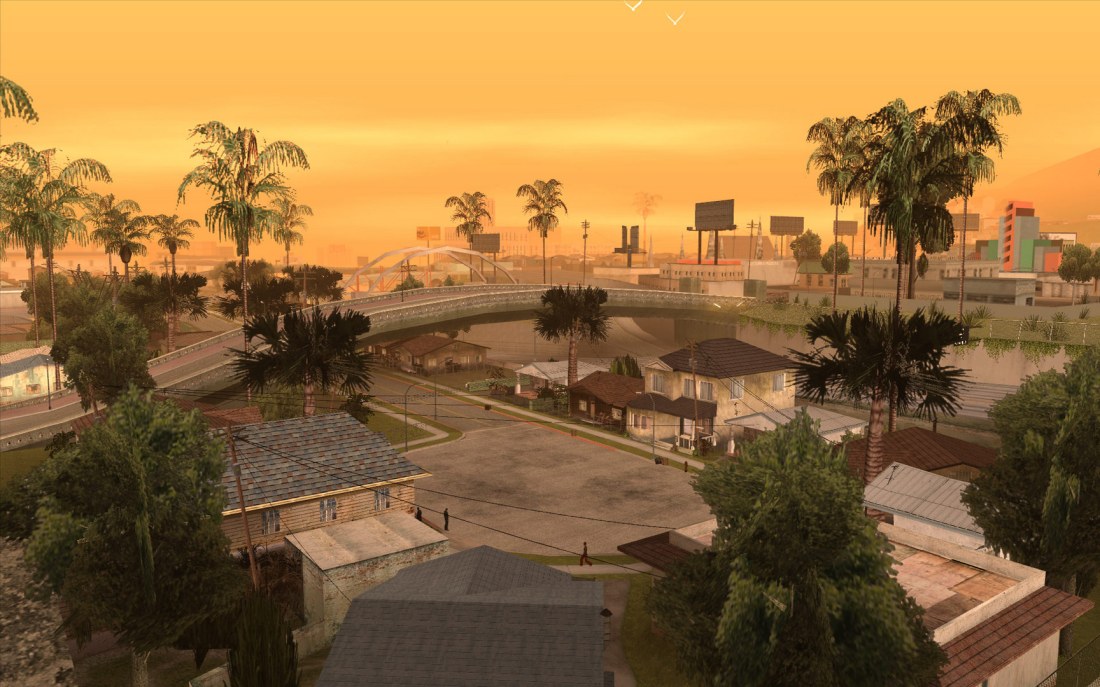
After the success of Grand Theft Auto III, Rockstar used the same basic engine to build two compelling period pieces. Vice City was an 80s throwback, letting the audience play out their Scarface fantasies in an obvious Miami expy. San Andreas jumps ahead a few years to 1992, setting itself in a fictionalized Los Angeles on the verge of riots over police brutality.

While III had a silent protagonist and Vice City’s Tommy Vercetti is a violent sociopath, San Andreas’s Carl Johnson is surprisingly sympathetic. He gets just as involved in a bunch of horrid schemes as the others, but the game manages to create a more justified sense of desperation. Tackling both its heavy subject matter and featuring a black protagonist in an otherwise exaggerated atmosphere seems like a recipe for disaster, but Rockstar treats those specific elements with enough care to avoid creating a stereotypical gangsta narrative.

Though III gets a lot of the credit for bringing the series into mainstream culture, its sequels brought enough quality of life changes to make that game almost obsolete. III doesn’t even have an in-game map, which seems almost unthinkable for an open world game. Even the camera in Vice City feels off when compared to San Andreas. Rockstar kept outdoing themselves during the PS2 era, resulting in more fluid controls, a customizable character, a simply gigantic world to explore, and a bunch of nonsense to keep things interesting. The budget and production time keeps ballooning with each sequel, but I still believe San Andreas stands as the height of the series – IV takes itself too seriously while V goes so hard in the opposite direction that it comes off as a particularly bad season of South Park. The basics work just as well in San Andreas without having to put up with these detrimental qualities.

Part of Grand Theft Auto’s success is that it’s fun to simply mess around without making any progress. The series brings modern cities to life in a way few others have managed, and it’s fun to play as an agent of chaos. Through the variety of vehicles and weaponry, there’s always something more to try out.

San Andreas also has killer radio stations for scoring the mayhem. Whether you tune into Playback FM for some Public Enemy and Eric B. & Rakim or turn the dial to Radio X to get some early alternative jams from Rage Against the Machine and Soundgarden, there’s always something great reinforcing the game’s era. The most striking inclusion is K Rose, a classic country station which makes sense as soon as the game world really opens up.

What I find striking is how San Andreas manages to incorporate its many distractions into the narrative. CJ’s story starts small, simply helping those in his neighborhood. Somehow, he gets dragged into bigger schemes in all these new locations – but there’s a certain point where he’s hit with a wakeup call. That opening tension has never gone away. CJ simply left his neighborhood. Grand Theft Auto has always had an absurd upward progression, but San Andreas pulling us down to earth helps set the stage for a phenomenal finale.

Grand Theft Auto always tries to have a little bit of everything. Though the series since III has been largely consistent, only San Andreas lands all of its punches.

The Greatest Games: Mass Effect (2007)

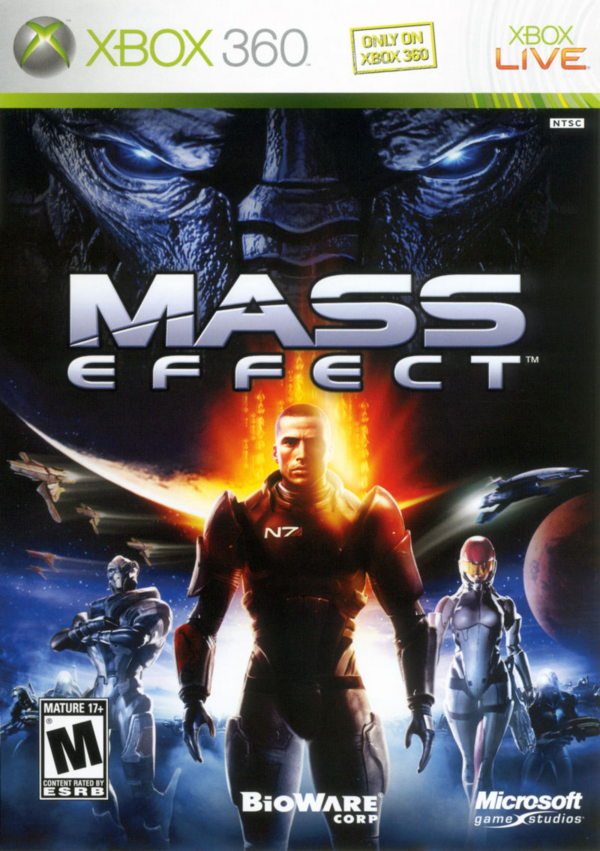
Mass Effect (2007)
Developed by BioWare

Would Mass Effect even be a Western RPG series without promising a ton of stuff it would never pull off? Perhaps the most disappointing thing is that it almost managed this incredible feat – practically everything went off without a hitch besides that infamous ending. Not even the entire final act, but the last fifteen minutes was enough for certain people to toss aside the entirety of what was otherwise among the most fulfilling stories to emerge from gaming. We only got this invested in the first place due to the strong beginning.

It’s difficult to think of another game that establishes a new universe so effectively, especially in a science fiction setting. Humans are the latest species to join galactic civilization. An ancient network of relays allows near-instantaneous travel across space. Commander Shepard becomes the first human Spectre, special agents granted nearly unrestrained authority by the central governing body. Some great menace is lurking at the threshold, and it is Shepard’s job to both figure out what is happening and convince the Council to take this threat seriously.

What sets Mass Effect apart from so many other fantasy worlds is the intricate histories and conflicts of its various races. The battle between the quarians and geth starts off as the most straightforward. The quarians created an artificial race, grew nervous, and ended up losing a war against their own creations. With the quarians stuck aboard a Migrant Fleet and the geth now joining the bad guys, it’s easy to choose sides (for now).

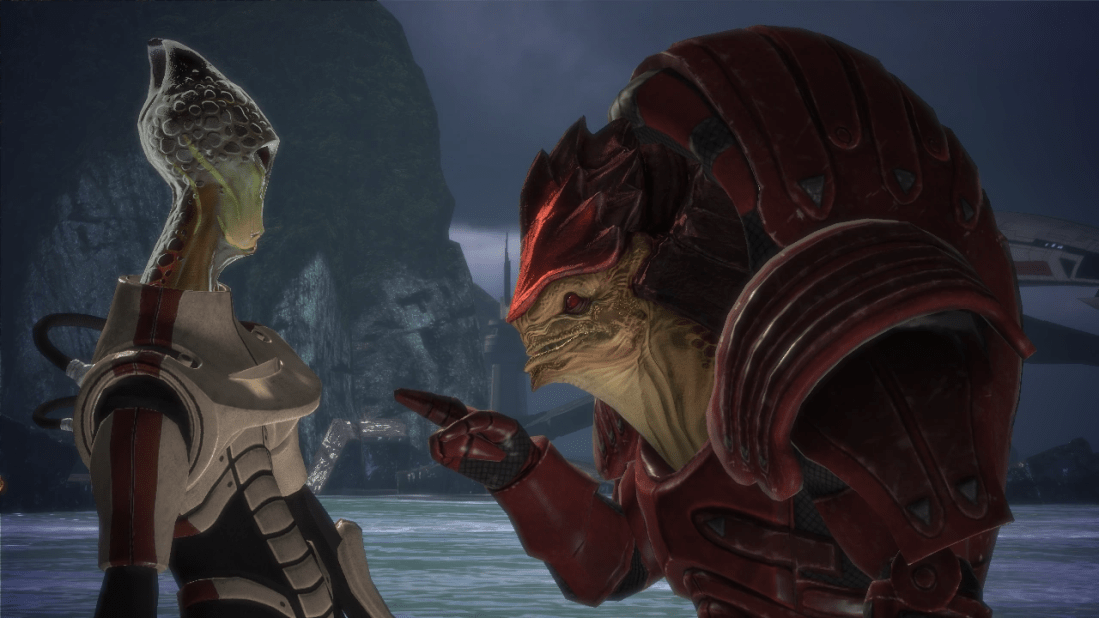
The conflict between the krogans and salarians is a lot ickier. Galactic civilization was nearly overrun by another species known as rachni until the krogans were discovered. The salarians turned this primitive race into a weapon, only to neuter the species once they, too, started to be perceived as a threat. Both sides have a perfect argument. The salarians essentially committed genocide, but the krogan really are that dangerous. Of the major races, only the turians and asari really seem to have their stuff together.

The character designs are top-notch. All of these species have unforgettable appearances. Both the krogan and turians are reminiscent of dinosaurs, but in very different ways. The bulky krogans carry raw strength while the slender turians are far more graceful. Asari are more humanoid, though other species seem convinced of their own similarities. The quarians are mysteries, forced to wear full-body suits due to their weakened immune systems. Mass Effect avoids the trope of sci-fi stories tossing us dozens of bizarre designs as background characters; each of these species has an explanation for their evolution. Mixed with their rich histories, BioWare was able to emphasize the plights of these individual species with nuance.

In classic BioWare fashion, this game is all about an interactive narrative where the player can make big decisions. While the system they use offers little freedom (consistency is rewarded), the mere possibility of another path is compelling. The story is strong enough that I ended up doing three separate playthroughs (one good, one bad, one consistently making poor choices). The game is also loaded with side quests, most offering their own intense choices.

The party members are of varying quality – what would have otherwise been a jaw-dropping moment is reduced by the mundanity of the human party members – but the best are some of my favorite video game characters. Tali and Liara need the sequels to really come into their own, but krogan Urdnot Wrex and turian Garrus Vakarian are unforgettable. The krogan could have easily been a background species, existing more as a potential threat than true characters. Having one on the central team offers a perfect window into their disturbing history and disparate culture. Wrex’s blunt nature also leads into a lot of the best lines. Garrus’s character arc is one of the trilogy’s strongest suits, with his struggle between following the law and true justice being perfectly established here.

The combat system is something else – BioWare mixes third-person shooter mechanics with an RPG power system. While this can be a bit wonky and is perfected in the later games, the series really hit upon something with this combination. I mentioned playing through this game three times to see various ways the stories could unfold, but I would have never wasted my time if the gameplay wasn’t equally engrossing.

Mass Effect is the beginning of a beautiful trilogy; while the gameplay might show its age when compared to the sequels, its sense of world-building is matched by few others. By setting up an entire galaxy where half the species seem on the verge of slaughtering another, it established a complex narrative rife with palpable tension which would ultimately sustain the entire trilogy. While the sequels would feature more dangerous external threats, the original made sure to inform us the galaxy was doing a perfectly good job imploding on its own.