The Greatest Games: Portal (2007)

Portal (2007)
Developed by Valve

To think that one of the most influential games of its era started off as part of a bundle; but at a time when retail games came with the expectation of being worth $60 and thus several hours long, there was no other way this game would have seen a traditional release.

The original Portal is about as singular of an experience as video games come, fitting into that elusive non-block-based puzzle genre which requires crafting entirely unique mechanics from scratch and then shaping ever-increasingly complex puzzles around those mechanics. Sometimes these games become so esoteric no one but a genius will be able to progress past the opening stages without consulting a guide. Creating something accessible for the common player while containing enough of a challenge to make each solution memorable requires a fine balance, and few games have ever gotten that balance quite as right as Valve’s Portal.

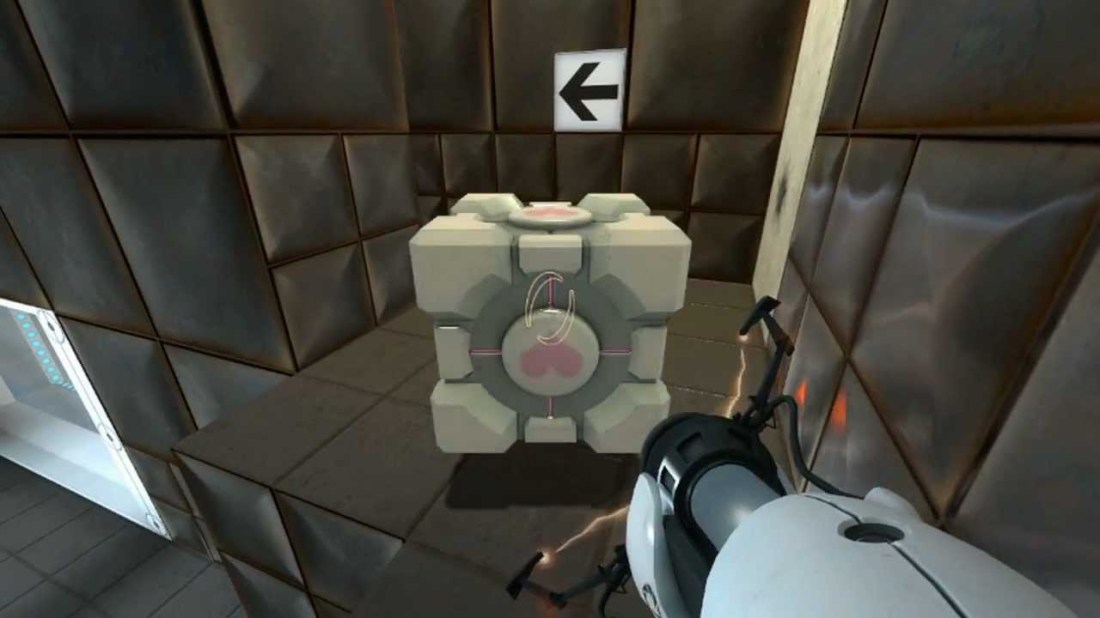
Though too familiar to truly go back and appreciate, it’s hard to overstate how well this game handled atmosphere, especially while being presented as a side-game in a Half-Life 2 compilation. Many of these games are plotless affairs, throwing you into a series of levels and that being that. Portal pretends to be this in its early stages, a completely innocuous lab setting where you’re experimenting with a new technology which can create two portals which connect to one another.

The pieces slowly start adding up. The puzzles soon start adding clear safety hazards which will never be a threat, but still far from OSHA compliant. Then host robot GLaDOS adds a ‘consequence for failure,’ being poison gas along the floor below which will instantly kill anyone who falls in. This simple puzzle game transforms into an oppressive horror story.

Well, it would, except for one key feature – GLaDOS is one of the funniest video game characters ever written. Her seething hatred for the player character is barely masked by her robotic voice, and she becomes more and more agitated with every success. There’s a reason this became perhaps the most memetic video game of all time – every line of dialogue is golden.

The back half of the game is where things really shine. The chambers become increasingly decrepit, allowing the player to briefly sneak inside hidden corridors and find the mad ramblings of the previous test subjects. GLaDOS’s threats move from passive to direct, employing poorly-designed but cute little turrets. The ‘final’ stage has GLaDOS slowly lower you into a fire, and then the real game begins; Chell breaks free from the chambers and wreaks havoc through the rest of Aperture Science.

This breakthrough transformed Portal from an off-kilter puzzler to something medium defying. In this post-modernist twist, the player is suddenly thrust against the creator herself. The meta-analysis wrote itself. What does it mean to break free of an internal ruler while still being railroaded by the actual designers? Nevertheless, Portal managed to achieve the feeling of breaking all the rules.

The best part is how this section keeps being the same game, but with the added stressors of obscured progression and outright assault. The game itself starts breaking the design philosophy established in its first half, all to showcase the true genius behind the developers’ creation.

The portal gun is one of gaming’s greatest inventions, this device which proves simple to use but with seemingly infinite possibilities. An extra layer is how the puzzles incorporate the physics engine. While the earliest chambers largely involve connecting two portals to reach distant areas, later puzzles involve generating momentum to leap across chasms. Some of the best moments require shooting more portals while being flung across the room. And who could resist shooting one portal on the ceiling and another beneath your feet, just to see how fast you could go? A few trick angles would even allow the player to catch a glimpse of Chell on the other side.

It’s easy to view Portal as bordering on a tech demo considering its length, but if that’s the case, one must wonder why any developers bother creating full-length games; few games have lingered longer in the collective conscious. Portal is simply to the point, no second wasted as it first teaches the rules, then explores what those rules mean, before finally asking you to break them.

For Portal, the name of the game was escalation. Whether it be through the ever more complex puzzles, GLaDOS’s increasingly mean-spirited dialogue, or the total tonal shift, every new area threw another curve ball. If brevity is the soul of wit, such a tightly-focused experience was destined to go down as a social phenomenon. Though made by a preeminent studio, Portal clearly laid a path for people to be more responsive to the indie game craze which would really take hold with the following year’s Braid. It cannot be overstated how much Valve shaped gaming; where the Steam platform helped open the market to independent developers, Portal was a forceful mainstream nudge to give smaller games a chance.
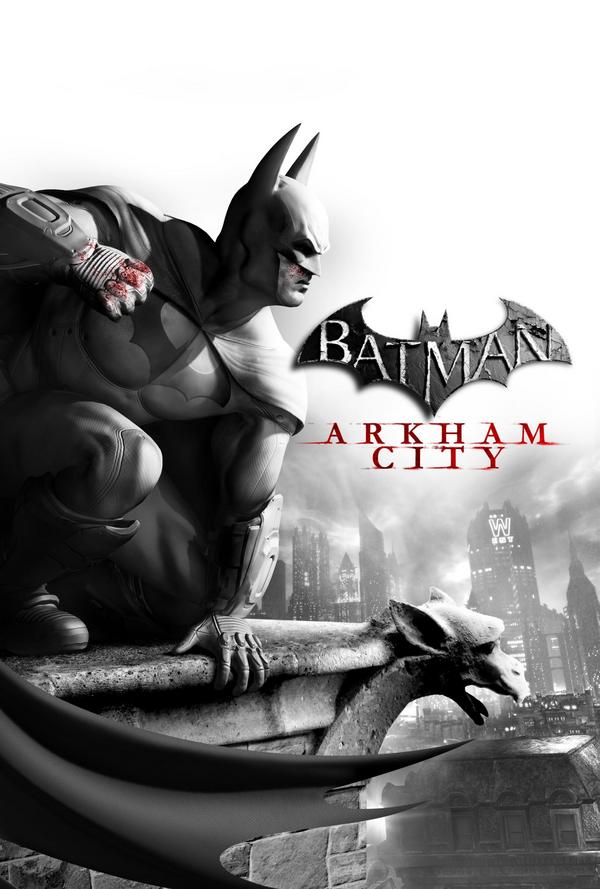
The Greatest Games: Batman: Arkham City (2011)

Batman: Arkham City (2011)
Developed by Rocksteady Studios

For various reasons, the video game industry has always had difficulty with licensed properties. Most of these issues stem from them being used as movie tie-ins, the rights given to cheap studios promising to turn out a game to meet the release date of the movie. Nothing good comes from such restraints.

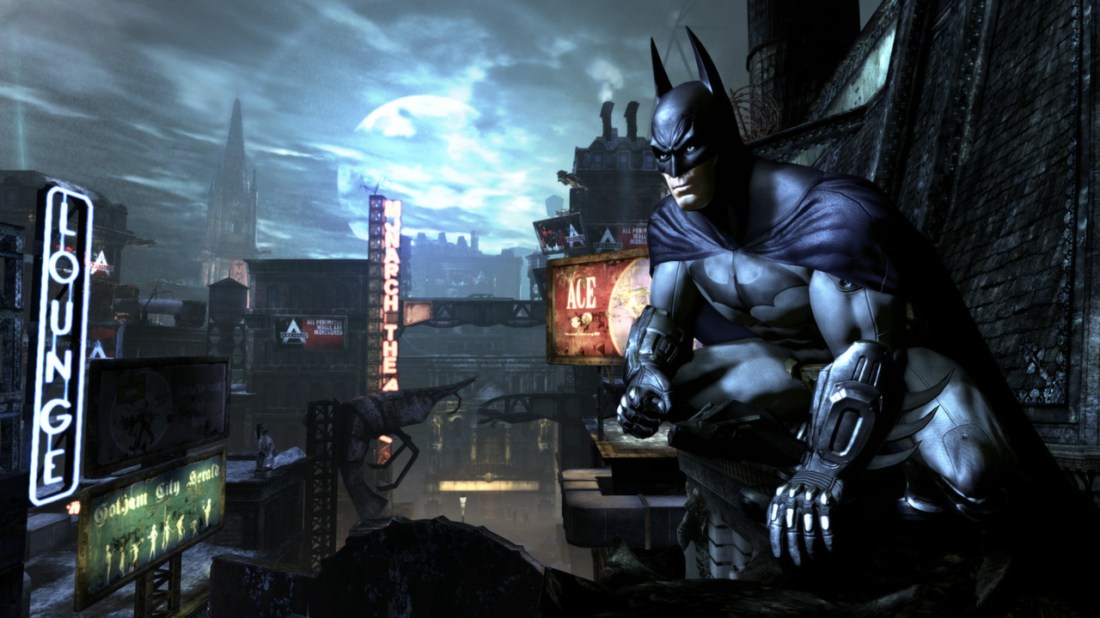
Back in 2009, Batman: Arkham Asylum was a major turning point. Based off a franchise which has not stopped being relevant for several decades now, Rocksteady was given ample time to bring the Batman franchise to life. Perfectly implementing Batman’s gadgets to produce a stealth-heavy brawler and turning his ample rogue gallery into some mesmerizing encounters, Arkham Asylum stood as not only the best licensed game at the time but one of the greatest games period. Arkham City took its formula and simply increased the scale (whether one is better than the other is up to preference – I enjoy the open world but would never argue against anyone who prefers Asylum’s linearity).

That stealth-brawler hybrid is truly something great. Sneaking through the vents to pick off mooks one-by-one really captures the spirit of the Caped Crusader, but failing at that and descending into a brawl is equally appetizing. Rocksteady forces the player to shift gears here and there, key to perfecting a genre which can sometimes descend into tedium.

The boss fights really change things up, including what ends up being one of the all-time greats. The battle against Mr. Freeze leaves you hopeless when attempting direct approaches, but the room is littered with stealth options. Each success lets you get in a few hits, but Freeze will then counter that option for the rest of the battle. You have to use everything the game offers to take him down. This battle serves as a testament to the game’s simple yet complex design, a brawler that absolutely refuses to let you mash your way through.

Key to capturing the spirit of these characters is that the bosses don’t stay confined to their rooms. The Arkham series is a great example of set piece-based design, each area influenced by those classic villains found nearby. The game is also loaded with sidequests, including a slew of minor adversaries. While these characters will almost certainly never earn a film appearance, their presence here shows how deep the Batman gallery goes while still maintaining fantastic diversity. Only the most ardent fans are likely to recognize Zsasz or Hush, but their presentation here is a perfect argument to become one of those ardent fans. With all this game throws at you, Arkham City captures the terror of Gotham City while other adaptations have to limit themselves to a handful of villains at a time.

The narrative is a wonderful descent into madness; being toyed around with by the Joker is always a fun time, further adding to the chaos of this city. Despite all these villains having their own agendas, everything flows together so well due to Joker getting a little bit of his hands into everything. The final act is a surprisingly complex and somehow tragic web.

With open world games becoming more and more common, it’s becoming clearer what does and does not work. Even if there aren’t enemies covering every inch of the city, the player is provided with enough tools to navigate quickly. Swooping through the sky is always fun, a feature which laid the groundwork for Insomniac’s Spider-Man. There is enough side content to encourage exploring everything you see, and the rewards for everything but the Riddler puzzles tend to be grand.

Batman has been with us since the late 1930s, but few works across any medium capture the spirit so well. This is the all-encompassing experience.

The Greatest Games: Shining Force II (1994)

Shining Force II (1994)
Developed by Sonic! Software Planning (now Camelot)

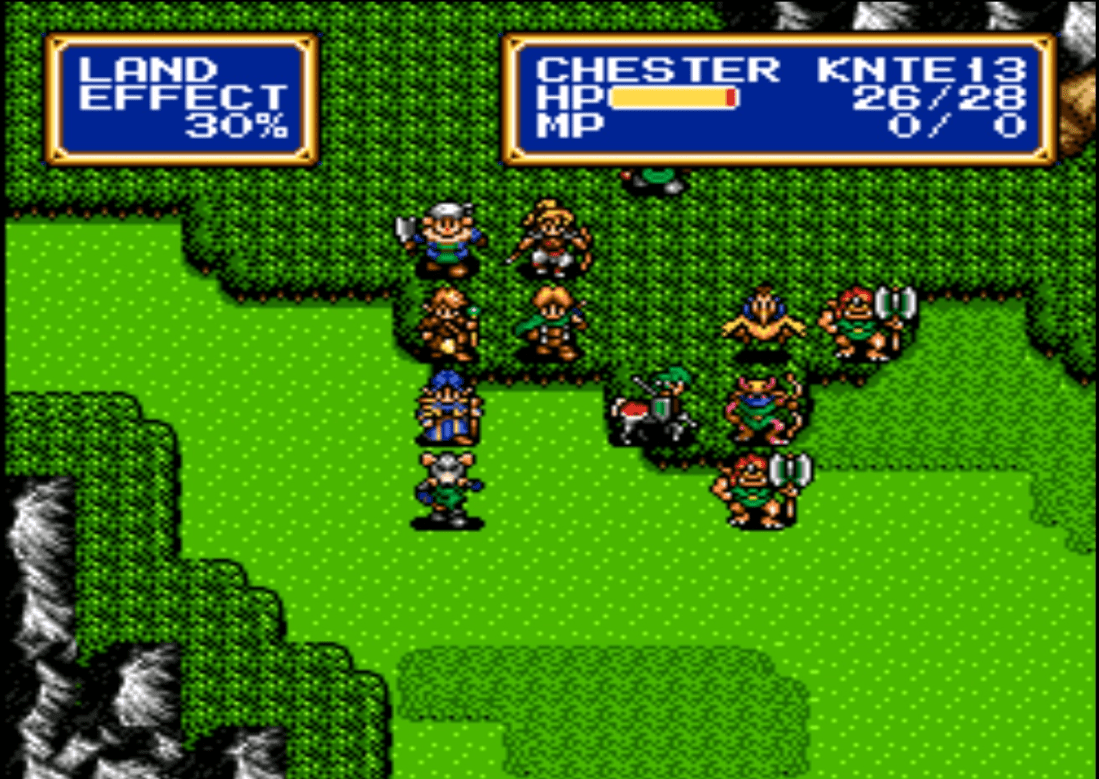
The Strategy RPG has evolved a lot over the years, but there’s something about the simplicity of this early installment that continues to resonate with me. There’s no permadeath or expansive character interactions; just a straightforward chess battle of hoping to topple the enemy’s leader before they capture your own. In a genre known for heavy punishment at the smallest sign of failure, it’s nice to have a few strong entries which can be taken at a leisurely pace.

Emerging during an era when platformers reigned supreme, the RPGs of the fourth console generation offered a mesmerizing scale. Instead of artificially inflating their length through absurd difficulty spikes and resetting you back to zero after enough failure, these games truly were that big. On the Sega Genesis, few games felt bigger than Shining Force II.

This sense of scale is perhaps why Shining Force II holds a certain edge over most of Nintendo’s Fire Emblem series for me; where the typical Fire Emblem jumps from battle to battle with a cutscene or two between, the Shining Force series incorporates its battles into the world. Thus, the series captures a sense of exploration like more traditional RPGs, searching through towns for hidden treasure and sometimes secret characters. When a conflict transforms a town into a battlefield, there’s more weight than being plopped into a nameless village you’ll never revisit. The ability to explore the overworld gives a nice break between battles and a better sense of how these conflicts connect.

The lack of permadeath also seriously alters the dynamics of combat. This game is not designed for you to treat every party member as valuable at all times, allowing you to take risks as you push your way toward the end. Where other SRPGs can devolve into letting a few overpowered units run ahead, Shining Force allows even the fragile characters to get in a much-needed hit before bowing out. Battles here feel less like running a minefield where one false moves destroys all progress, and that little bit of wiggle room makes all the difference. There’s also just something freeing about being able to actually lose a battle based on in-game conditions instead of hitting the reset button due over a critical hit – an unfortunate side effect resulting from permadeath is it causes you to stop while victory is achievable; you haven’t lost as much as you aren’t accepting the game’s conditions.

Whatever the flavor, the strategy RPG genre is phenomenal at capturing a sense of battles bigger than a lone hero but smaller than a full-blown war. The relief from an enemy missing an attack at just the right time, the panic as you realize your healer is in range of the enemies, the sliver of hope you feel as you scramble to correct that issue; all of this emotion with the necessary time to process what it all means.

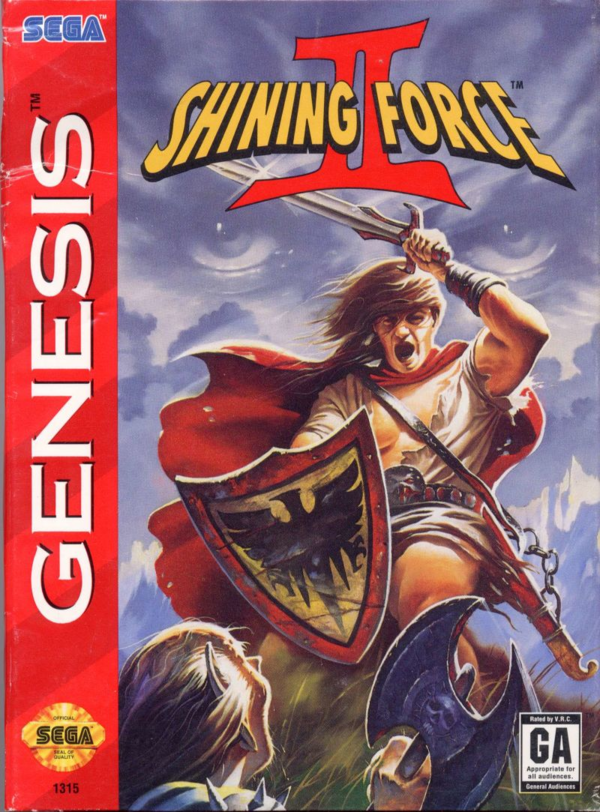
Shining Force II feels like the strategy RPG in its most distilled form. The plot which is there is simple. The mechanics are straightforward and forgiving while the battles still offer a challenge. There are dozens of variances on the basic formula, but Shining Force II is a testament on how well this formula worked from the very beginning.

The Greatest Games: Ikaruga (2001)

Ikaruga (2001)
Developed by Treasure

The shoot ‘em up genre is about as old as video games in general. The basic formula has remained largely the same. You control a spaceship (the spaceship is sometimes a magical girl or homoerotic bodybuilder) and shoot down enemies while avoiding their return fire. The genre is best when it keeps the mechanics simple, instead shaping the challenge around the level design. As such, many end up blurring together, with particularly bothersome entries being little more than trial and error.

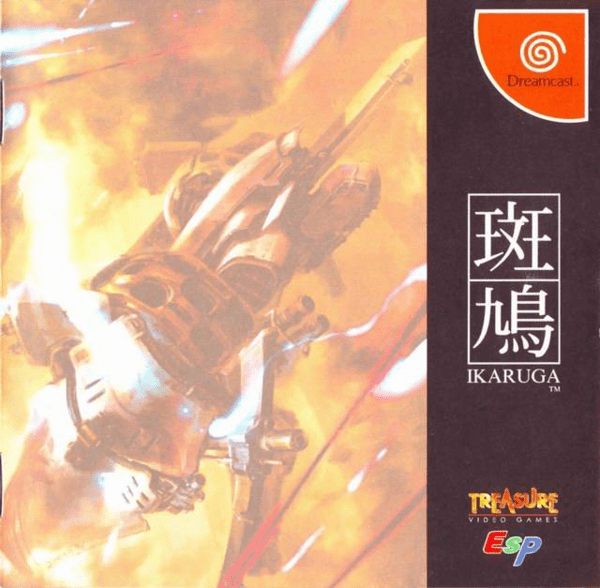
Ikaruga offers a unique twist on the formula; instead of avoiding all danger, enemy attacks are colored either white or black. The player’s ship carries a shield which can flip between the two colors, absorbing all attacks that match. Not only do you avoid the damage, but the absorption powers your own special attack. Thus, the game operates as a bullet ballet, relying on well-timed shifts between shield colors to move between the ever-changing attacks.

This is technically a short game; I don’t believe a full play through takes more than half an hour. But this is about as challenging as video games come, even on the easiest difficulty. This is a game you play almost purely for the challenge – look at any screenshot from the hardest difficulty and you won’t believe it’s possible. Then you keep playing because you know it must be and you want to see how. You will die a lot, but that comes with the territory, and it’s always so quick to jump back in.

When we talk about the cultural merits of video games, much of the focus turns toward artistry, which quickly devolves toward narrative. A game like Ikaruga has little to offer in the straightforward search for human understanding which rests at the center of most art; but if we are to view the medium as an art form, and accepting these minimalist games as among the most noteworthy, there must be something beneath the surface. If a great game does not remark upon a human experience, that is only because it is the experience.

Every work of art has a thematic purpose, whether or not the creators were consciously aware what that would be. For a game like Ikaruga, that theme can only be sussed out through the experience: what might seem impossible can be overcome through enough dedication and perseverance. This is at the heart of most challenging video games – the human drive to improve oneself. Some might argue that this is not enough, but what is the point of recognizing video games as an art form if we only apply that term to so-called universal elements between mediums? Some look to the Ikarugas of the world with a certain disdain, as if the players are entering a sado-masochistic relationship with the designers. They think we play these games because we want to suffer, but it’s quite the opposite. We want a chance to win against something we expect not to. Video games offer a simulated chance to overcome strife.

But there is good art and bad art, and nothing’s worse than a game so frustrating that you give up. The artistry of Ikaruga is making everything so fluid that it’s even harder to put down, even as you eat through the hours just trying to get past the second stage. A good challenge brings you inches closer to victory with every new attempt. Add in that Ikaruga’s gameplay is naturally hypnotic with its ever-changing colors, and you end up with something as difficult as it is inviting.

The Greatest Games: The Walking Dead (2012)

The Walking Dead (2012)
Developed by Telltale Games

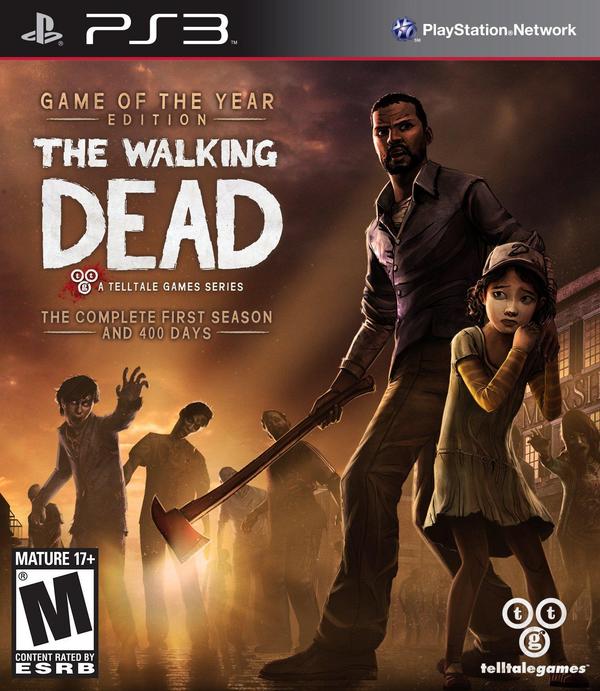
As video games continued evolving, more and more companies began exploring the medium as a predominantly narrative form. Point-and-click adventures set the stage decades earlier, but the seventh-generation era saw several mainstream works which came close to truly capturing the idea of an interactive movie. Many of these attempts had serious problems, especially in retrospect; if the story itself wasn’t nonsense, there was almost always the disappointing realization that telling a proper story meant most choices were merely an illusion.

As the first game to truly set this craze on fire, The Walking Dead does not avoid that latter pratfall. But what it lacked in freedom, it made up for with one of the best narratives to hit the market; the first season of the Walking Dead video game outshined both the comic and the television show, and that’s some serious praise.

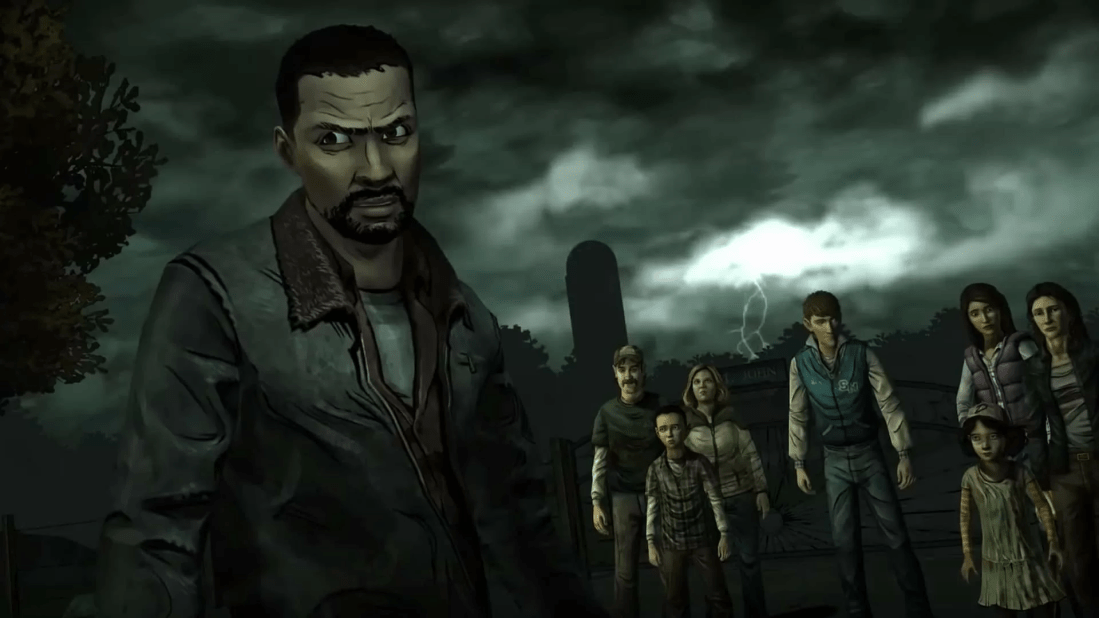
At the heart of this is the relationship between Lee and Clementine. Though not father and daughter, their relationship is one of a larger trend during the 2010s to explore the bond between a guardian and the one they must protect. This is one of the best, perhaps only rivalled by Joel and Ellie in The Last of Us – something about the post-apocalypse really brings people together. Lee’s influence over Clementine became a popular meme: “Clementine Will Remember That.” This phrase operates on two levels. The most basic, and saddest, is a reminder that this game will never fulfill its promise of meaningful branching paths. On the other, this game is about how Lee’s actions will shape Clementine’s future. Has his presence left her better or worse off? These pop-ups are a reminder that you’re playing not just for the hero’s sake but his entire group.

Viewing The Walking Dead through a lens where your choices don’t matter can lead to another perspective – this game did manage to get many of us engaged before we realized this fact, after all, and there had to be a bigger reason than the mere anticipation of setting up a line of dominos. While the game at large was railroading us back toward a universal path, the self-contained moments were all stellar. One choice in the third chapter is particularly devastating. You are given the choice between doing something yourself or having another character perform the action; the end result is the same, but it presents a moral quandary you would rarely if ever encounter elsewhere in the medium.

In fact, I believe the true impact of the choices exists not in the shaping of the narrative but a pop-up at the end of each episode. You are presented with a screen showing your own choice compared to all other players. As a game exploring themes of gray morality, you might be shocked when what you considered a rare easy choice has a fifty-fifty split, or maybe you find yourself completely against the world and start questioning your own views. In many ways, these choices operate as a survey of how we collectively reacted to the story.

Whether or not it was a complete success, Telltale set out to make the video game equivalent of a television show, and it certainly ended up being one of the biggest narrative events of the 2010s. As much as we can gripe about a flaw here or there, that largely serves to reinforce a bigger truth; we care so much about its failings because everything else was such a success. Few games have ever left me so emotionally raw.

The Greatest Games: Devil May Cry 3 (2005)

Devil May Cry 3 (2005)
Developed by Capcom

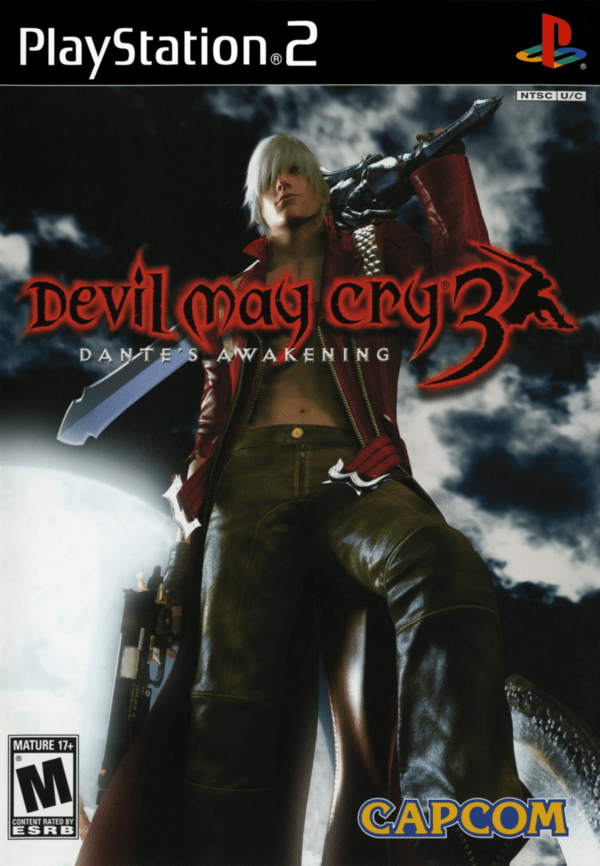
The transition into 3D gameplay was a challenge for many developers, but there’s always something magical about playing the first game in a series that really gets it right. The first Devil May Cry is certainly a good game (and that’s not nostalgia talking – I played through this entire series for the first time in 2020), but its fixed camera is an obvious relic from when it began development as a failed attempt at the next Resident Evil. Unfortunately, what works in survival horror won’t necessarily be the best option in another genre – especially when many of the controls are contextual based off the character’s relative position. Despite this, the seeds of a great series were obvious even then.

After a major blunder in the form of Devil May Cry 2, Capcom came back with what felt like a total refinement of what the first game promised. Though the original laid the foundation, Devil May Cry 3 defined what would become known as the Character Action Genre. A controllable camera was key, but an extra emphasis on weapon and attack variety really highlighted the style meter.

Where more traditional action games can sometimes devolve into running up to an enemy and mashing the attack button, DMC3 rewards you for changing up the pattern. The meter’s constant depletion encourages frantic action while a single hit resetting the meter requires grace. Combat thus demands your total attention, a constant juggle between attacking one enemy, avoiding the others, and changing up the way in which you are attacking. Your options are diverse enough to make this seamless; an enemy moving in for an attack can be the perfect time to combo your current target into the air, a dodge and attack mixed together in one fluid motion.

A great combat system is not enough alone; Devil May Cry 4 made several improvements, but 3 reigns supreme because it simply has better enemies to use that system against. The game is constantly barraging you with new enemy types, all requiring new patterns to combat; there’s never a routine option to safely fall back on.

Even better, pretty much every boss fight here is phenomenal. Cerberus, Agni & Rudra, Nevan, Beowulf; each requires a totally unique approach. This game perfects the hard but fair boss fight; everything’s so fun that getting to fight these bosses a few times feels more like a gift than a punishment for failure. When you finally figure out the trick to take out something like Agni & Rudra, it sticks with you.

Standing above all of these is Vergil; the Devil May Cry series enjoys tossing the bosses at you again and again as you near the end, but nothing is more satisfying than the way Vergil evolves between stages. The first encounter passes as a simple sword fight with a few neat tricks; a perfect change of pace from the giant monstrosities you usually face. But that final boss fight flips everything on its head; the super-powered devil trigger ability which has been the saving grace during these difficult fights is finally used against the player. The evil twin is a common trope for boss fights, but few make you feel quite so powerless in the face of your own abilities as Vergil.

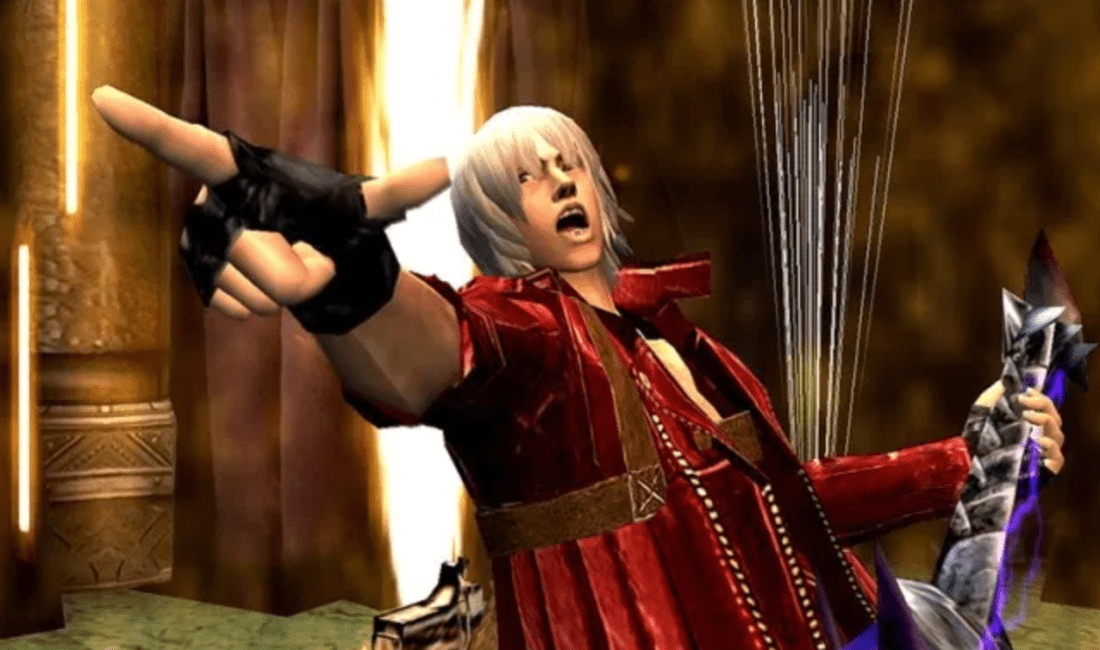
The gameplay is far from the only stylish feature of Devil May Cry 3. The original game is ‘cool’ in that early 2000s video game way, the type which falls quickly into cheese to anyone outside of edgy teens. Devil May Cry 3 ramps this up in the best way possible, going so hard in over-the-top cheesiness that it somehow wraps back around to being cool in its own odd way. Dante perfectly straddles the line between suave and dorky. He literally does a front flip while riding a motorcycle up the side of a tower.

Even beyond its phenomenal string of boss fights, the conflict between Dante and Vergil is one of the classic video game rivalries. Vergil is the perfect foil, cool in all the opposite ways. His calm and collected presentation suggests a quiet confidence in his abilities; he doesn’t need to show off for us to be impressed by him. They really feel like two sides of the same coin, further highlighting the familial nature of the conflict.

Plenty of games ooze coolness during their cut scenes only to fall back on bland presentation as soon as they hand over control, but Devil May Cry 3 perfectly integrates its aesthetics into the gameplay itself. Though games continue to evolve visually, DMC3 is a perfect representative of the moment when action games moved into the modern era. There have been many imitators, some better than others, but nothing will ever reduce Devil May Cry 3 to a mere nostalgia piece. The gameplay is too smooth, the boss fights too fun for this to not hold up as a true video game masterpiece.

The Greatest Games: Sonic the Hedgehog 2 (1992)

Sonic the Hedgehog 2 (1992)
Developed by Sega Technical Institute

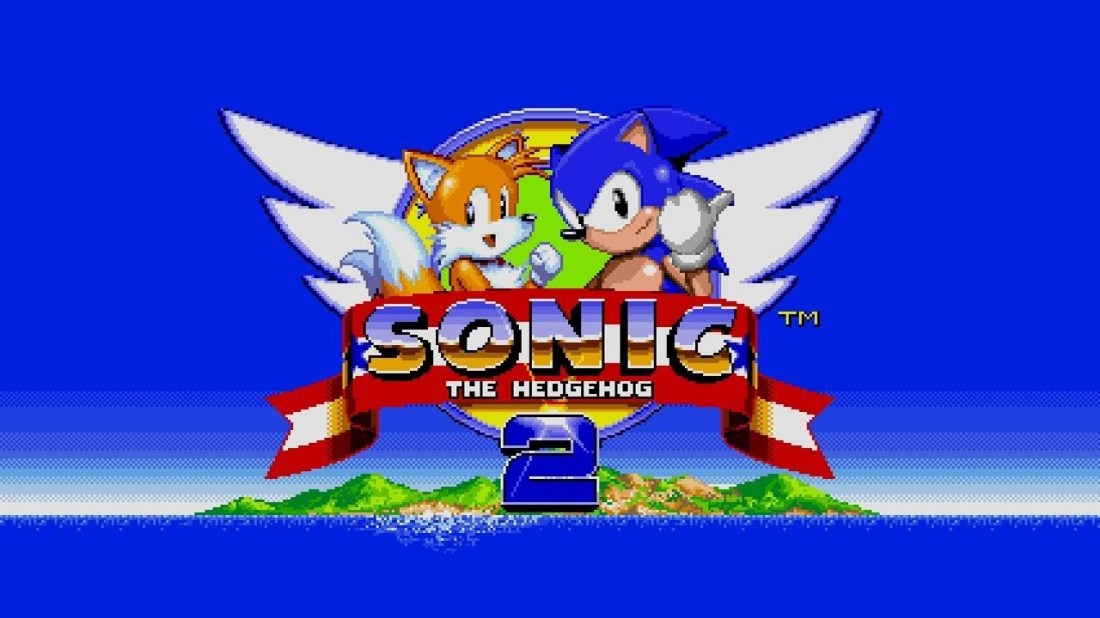
Sega does what Nintendon’t, and nothing quite summarizes 90s culture like a blue hedgehog being treated like the epitome of cool. We were a Sega household but a little bit late to the party – my mother got a Genesis for cheap after the Playstation and Nintendo 64 were already on the market. It came with a collection of six games – the original Sonic, Golden Axe, Streets of Rage, Columns, Revenge of Shinobi, and Super Hang-On. For the first eight years of my life, this console was all I had, picking up used games for cheap from the local video store. It wasn’t until the Christmas of 2000 that I received a Game Boy Color and my very first Mario game, so Sonic was my introduction to the platforming genre.

The second game in the franchise, my personal favorite, felt like the first to truly capture what Sonic was promised to be, a carefree speedster with attitude. The addition of the spin dash to get a quick start certainly helped. The levels were better designed to leave you running at high speeds, forcing quick reactions as obstacles popped in the way. Even certain slow segments forced a frantic energy; I’m forever scarred by a certain corridor in the Chemical Plant Zone where you have to escape drowning by jumping up a series of moving platforms – and to add to that horrifying drowning music, there’s the added risk of being crushed to death by the platforms.

This sense of motion set the series apart from more methodical platformers, and key to this is a sometimes false sense of security. Like most platforming heroes, Sonic will die in only a few hits. Rings protect you from damage, but a single hits sends them all flying. Every damage turns the game into a frantic chase to either collect those dropped or finding the next one. This game is not too difficult, but it pushes the tension in just the right way to reinforce its core tenants. The protection of a few dozen rings makes you feel invincible, which is why anyone ever dared to go charging through these levels in the first place.

The levels themselves are gorgeous; no two zones looked alike. Emerald Hill Zone is a classic opener, followed by the nightmarish industrial Chemical Plant which captures everything right about the series with its twisted paths. Casino Night Zone is an absolute blast, while Mystic Cave Zone captures this perfect sense of peril. Nothing about these levels could be called generic; Metropolis Zone could certainly be called something, but not generic. Sonic the Hedgehog was cool – not the character himself, but his games pushed a certain aesthetic that made other platformers look cheap in comparison. Add in the excellent soundtrack and you really get an unforgettable experience.

While Sonic has rarely outdone the plumber, the first two sequels did etch themselves a particular style few other platformers have successfully imitated. As more and more throwback platformers move toward brutal precision, I hope to someday see someone expand upon the pure frenetic energy Sonic managed to pull off.

The Greatest Games: Paper Mario (2001)

Paper Mario (2001)
Developed by Intelligent Systems

The Mario series has always been a stylistic oddball, a remnant from an era where character design had more to do with what could pass with limited technology than any semblance of narrative purpose. A plumber fighting a dragon-turtle to rescue a princess is the exact sort of nonsense we’ll accept in an NES platformer without question, because why would we care?

I bring this up because the Mario RPGs were handed the challenge of making some narrative sense of this nonsense. Instead of playing things as simple as the platformers, SMRPG and the Paper Mario games really go all-in on this strange setting, adding a layer of whimsical humor through excellent characterization and then ramping it up through its own bizarre creations. This is where most of the central cast really comes into their own, with special sections focused on Peach really adding to her character. The universe starts to feel like more than a dozen stray thoughts smashed together – or rather, it continues to feel that way, but with purpose!

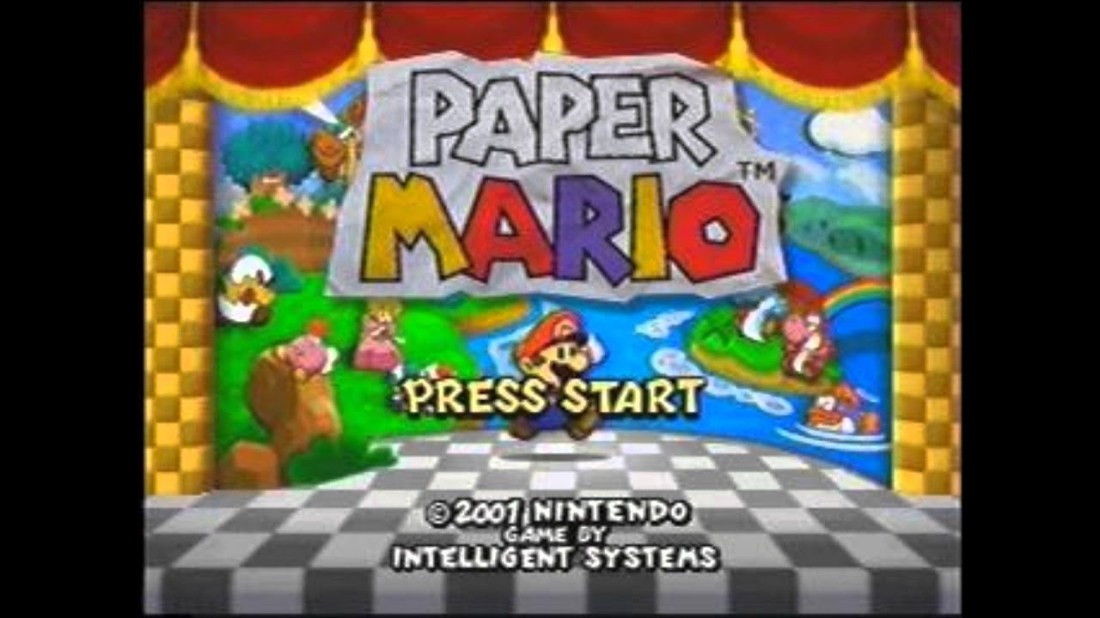
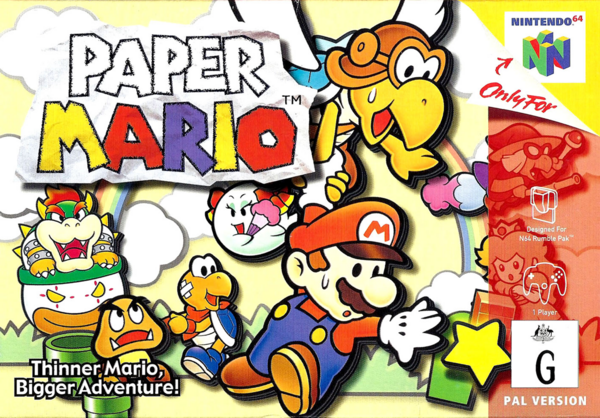
The fifth generation of console gaming is perhaps the toughest to revisit. Even through the early PS2 era, capturing a sense of fluid motion in 3D gameplay proved challenging for many developers. Most games from this generation simply do not look very good. Nintendo, however, has always had a knack for making limited technology work in their favor. Through its combination of 2D characters and a storybook-styled world, Paper Mario might just be the best looking game from its era. There’s a simple charm about its aesthetics that work even twenty years later.

Paper Mario has the magical feeling of being a beginner-level RPG while offering enough to remain engaging to even the most experienced player. The use of timing mechanics during combat offers a better experience than simply mashing attack until the enemies are defeated like many other JRPGs – all while serving as a reminder that this is a Mario game, where timing your jumps as you land on enemies has always been key. Most enemies having certain weaknesses or immunities also adds at least some thought to basic encounters. Though the game might be overly easy, it never stops being fun. The simplicity of its numbers is also important here, allowing the player to better understand just how much damage they’re doing without much analysis required; these low numbers also keep the battles at a quick pace.

Even if the overarching narrative is simple, with Bowser again kidnapping Peach, there’s so much charm in each of this game’s locations and the characters within. Generic enemies from earlier games are given a chance to shine, and the subplots offer up their own whimsical moments.

Simple is a word I keep coming back to, but I think that’s what really sets Paper Mario apart; this is a minimalist RPG that does everything just right. There’s really not all that much to it, but the presentation is just that strong – and considering how many contemporary JRPGs really came down to rudimentary attacks in everything but boss battles, the lack of complexity does little to hurt. Ultimately, Paper Mario improves what Super Mario RPG started, a comedic RPG that still manages to capture the spirit of a classic Mario game.