The Greatest Games: BioShock Infinite (2013)

BioShock Infinite (2013)
Developed by Irrational Games

The original BioShock built itself around a semi-obscure philosophy called Objectivism and dragged it into the depths of the ocean. BioShock Infinite is one of those ‘bigger and better’ sequels which throws nuance out the window. Where the citizens of Rapture tried to escape, Columbia is a floating city, the type of place which the world cannot ignore. The city is ultra-nationalistic, formed to be a ‘better’ America. Naturally, this better America is a cult which worships the Founding Fathers and has turned racism into a beloved pastime. Thus, the central concept of Infinite leaves less room for the imagination. Every facet of an Objectivist society was explored in the original, from medicine to art to the common worker. There’s not many ways Infinite can say racism is bad which we don’t already know.

So it says something else entirely.

Something is very wrong about the experience from the beginning. Columbia is at peace when Booker DeWitt first arrives. After a forced baptism, the player is free to stroll the city streets. You will soon pass a barbershop quartet singing “God Only Knows.” As in the song by The Beach Boys, released five decades after the setting of this game. It would be easy to write this off as a stylistic oddity – isn’t it funny, these characters singing a completely anachronistic song which happens to have ‘God’ in the title? But then you encounter a calliope cover of “Girls Just Want to Have Fun.” CCR’s “Fortunate Son” is the hymn of the revolution. You may be stuck exploring a racist dystopia, but the question actually hanging over the experience is how these songs came to exist in this time period.

Columbia is merely the backdrop for a game which is really about itself. When people beg for sequels, certain elements are expected to carry over or else it will not be recognized as a true sequel. Pokemon has gyms, Zelda has dungeons, and BioShock has biopunk cities featuring extreme philosophies. The problem here is that no real-world philosophy has quite the same baggage as Ayn Rand’s Objectivism. Replicating that feeling either requires misrepresenting a reasonable philosophy through extremism or exploring something the audience already agrees is bad. When Booker eventually jumps into a reality where the revolutionaries win and are just as evil, it doesn’t read as a legitimate statement – BioShock must intrinsically frame the dominant philosophy as negative, or else it is no longer BioShock.

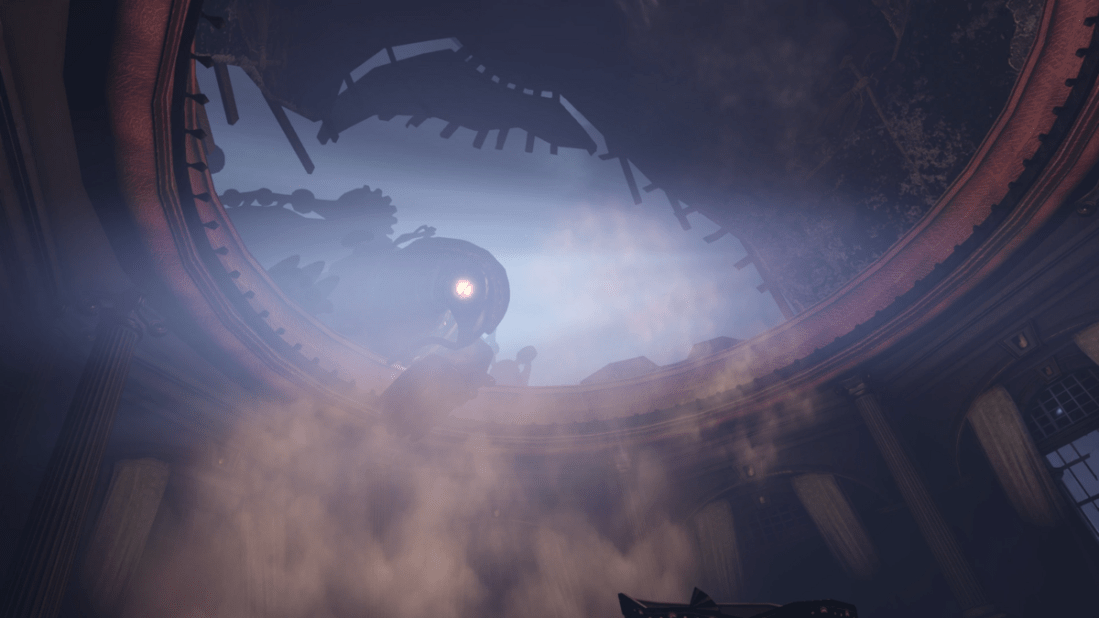
That’s not to negate Columbia itself. This is a wondrous world to explore, and zipping through its skyline is a mesmerizing experience. The exaggerated displays are still compelling, simply more as outlandish nightmares than a believable dystopia. There’s something special about walking through an exhibit and suddenly having to battle robots shaped like the Founding Fathers. As the game transitions to outright acknowledging its multidimensional nature, the locations become suitably horrific. The original BioShock was defined by its atmosphere, and this is one of the few areas where Infinite captures the same magic in a straightforward way. While I’ve never been the biggest FPS fan due to the gameplay, the BioShock series makes perfect use of the mechanics to tell a seamless narrative, rarely taking control from the player.

As reality crumbles around them, the true heart of this narrative is between Booker and Elizabeth, the young woman he had been sent to rescue. While the racism which pervades Columbia is cartoonishly evil, Booker himself is struggling to cope with his own involvement at the Wounded Knee massacre. The balance between atmospheric extremity and more nuanced personal struggles is key to this experience. As Booker tears through this city, it feels as though he’s fighting against his own past horrors. BioShock Infinite is one of many great games from the 2010s exploring bonds between a guardian and the person they protect. Booker and Elizabeth are both complex characters, but what makes this bond stand out is that Elizabeth is ultimately the more dangerous of the two.

The video game industry has an unfortunate tendency to emphasize sequels over new properties. Several series have struggled to come to terms with the fact their basic concept does not support further elaboration. BioShock Infinite is not the only game to find a way out through metatextual acknowledgement, but it’s a rare experience to do so while maintaining the emotional heart. BioShock Infinite laments an experience which cannot be replicated. The magic here is that the lament itself has proven equally inimitable.
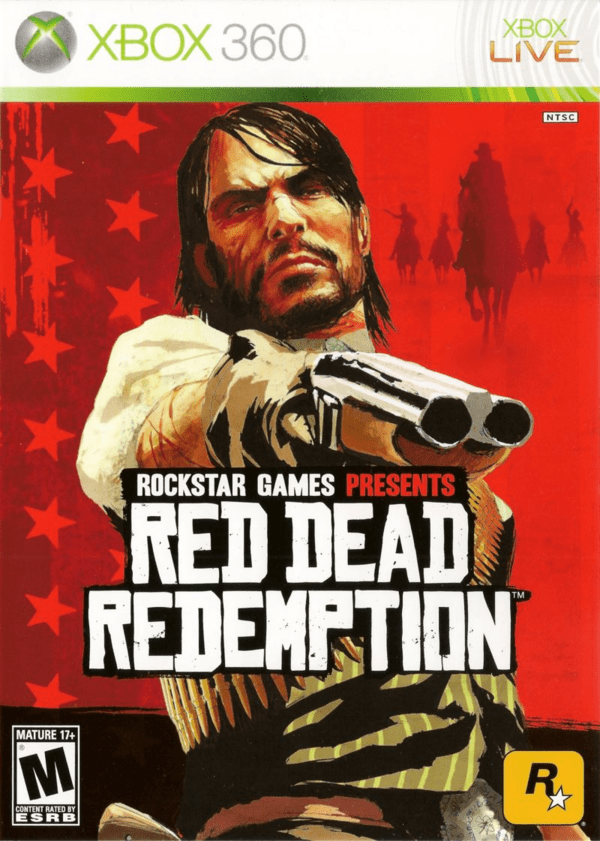
The Greatest Games: Red Dead Redemption (2010)

Red Dead Redemption (2010)
Developed by Rockstar San Diego

I have previously observed that Red Dead Redemption feels like the serious counterpart to Rockstar’s Grand Theft Auto franchise. Where the sequel pushed realism to the point of artistic absurdity, the first game manages to feel like a more mature experience while also maintaining the chaotic freedom of a sandbox game. The original Red Dead Redemption is simply Rockstar’s formula in its greatest form.

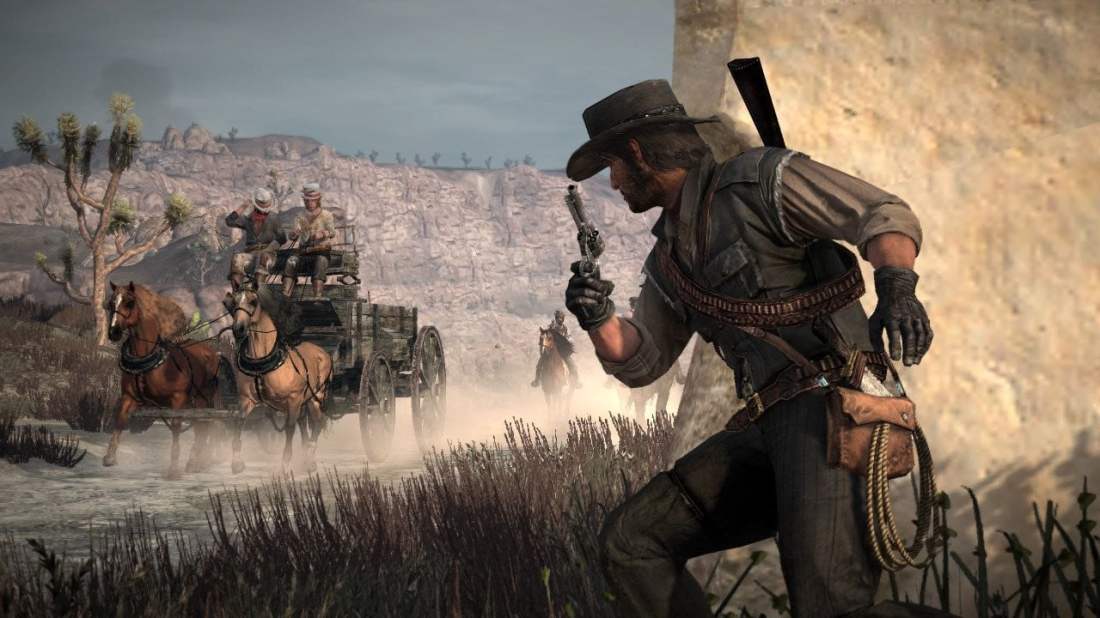
John Marston is one of their more compelling protagonists, a flawed man with a torrid history trying to escape a criminal world which keeps pulling him back in. Part of his appeal is simply due to genre – any point GTA tries to make can be lost in its overwhelming violence. These mass shootouts are simply the nature of the western genre, which helps make Marston more relatable. His position in the narrative helps establish sympathy – he is being forced into this macabre role by the government at the threat of losing his family. There’s a sense of fatalism which permeates this entire experience.

A big selling point of open world games is their massive maps. These worlds have only gotten bigger with time, but some games really lack proper emphasis. I don’t believe any open world game has had a stronger moment than the first time you cross the border into Mexico in Red Dead Redemption. Seeing the map suddenly expand beyond what you initially imagined was mind-blowing, and setting this to a gentle ballad by Jose Gonzalez sets a perfect mood. This is how you make each section of a map feel meaningful.

The controls in Rockstar games tend to feel a bit wonky, but RDR reached a high point without all the extra baggage of their later works. The Dead Eye mechanic was an ingenious system to implement in a style which until then had struggled with fluid shooting mechanics. Additionally, riding horses through the desert simply feels more engaging than holding down the gas button and breezing through a modern city. While Liberty City might offer more scenery, I greatly prefer not having to play a pedestrian dodging game every time I need to get from point A to point B.

Like every other Rockstar game, the missions are a grab bag of stray ideas. While there may be few which stick out among the pack, the simple fact is that the gameplay in RDR is so much better than their other games that these are a consistently strong experience.

The finale is Rockstar’s most emotionally resonant moment. Marston achieves everything to be reunited with his family. But in true Western fashion, nothing ever comes easy. It’s important that Red Dead Redemption is not set at the height of the Wild West but during its final breaths. Like Eastwood’s Unforgiven, this is the story of people being bluntly erased from a changing world. Many games have unwinnable fights, but the way this finale slowly builds toward Marston’s acceptance of this fate is unforgettable. After sending his family off to safety, Marston steps out and faces an entire firing squad. The game naturally goes into Dead Eye, a mechanic which until this point has given the sense of being superhuman. But it’s simply not enough against such a large crowd. There’s a reason Red Dead Redemption 2 had to be a prequel – when Marston goes out gun blazing, the Wild West dies with him.

Games will keep evolving technologically with time, and Red Dead Redemption 2 has pushed limits like few others. But technical complexity only does so much for an artistic experience; the original Red Dead Redemption simply does more with less. No other game has both captured and expanded upon the atmosphere of a spaghetti Western in this way. If RDR2 is a video game explicitly attempting high art, then RDR1 is a perfect slice of the type of genre fiction which drew us all into the medium in the first place.

The Greatest Games: Overwatch (2016)

Overwatch (2016)
Developed by Blizzard Entertainment

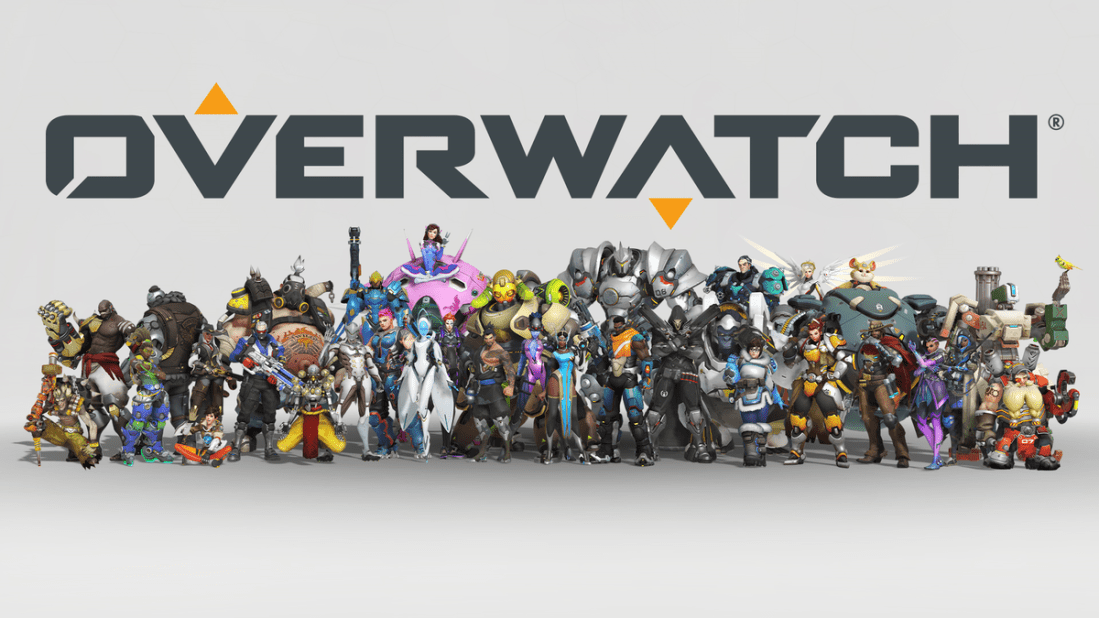
The danger of writing about online-only games which are constantly evolving is that the game I experienced and placed among the all-time greats might no longer exist. Blizzard are certainly capable of fumbling a good experience, and the last time I checked out Overwatch presented a much-needed balance fix which also ballooned the wait time for matches. As such, the quality varies at any given time.

But what Overwatch manages at its core is an evolution of the team-based shooter. Like Team Fortress 2, Overwatch features a large cast each filling a distinct role. Overwatch’s is much larger, with each character placed in a very specific niche – thus, there’s a bit more focus on choosing the right character for the team.

What sets Overwatch apart is its heavier focus on support and tank classes – there might be twice as many DPS classes, but its several healers certainly outpace TF2’s rather limited medic. Mercy takes on the medic’s basic function, healing allies with a continual beam while boasting key abilities to zip around the map to dive in and out of safety. But if that’s not your style, Lucio zooms around with the ability to both heal everyone in his presence and also boost their speed – all while being free to get in a few blasts himself. Ana is a healing sniper, able to heal in huge bursts from a great distance. My favorite, Moira, throws balls of energy which can offer either continual healing to teammates in range or sap health from enemies. Her playstyle forces her onto the frontlines, as her basic healing ability is directly linked to her damage output. The tanks are just as varied. Playing supporting classes in other games can sometimes feel like playing a necessary but unwanted part, but I actually find playing support in Overwatch an absolute blast.

While Team Fortress 2 eventually added various weapons for each class, I actually prefer the lack of options within each character in Overwatch. Every Soldier: 76 you face has the same capabilities, so it’s easy to look at the current teams and immediately know what you’re facing. Despite the ease of comparison, this helps differentiate these two classic games – TF2 maintains a greater focus on pure skill, while Overwatch puts an emphasis on adaptation. Overwatch feels more like a strategy-FPS hybrid than a traditional shooter. So, as someone who has never cared too much about the shooting aspect of FPS games, it should be clear why I prefer Overwatch.

Despite its ever-expanding roster, I think the true aesthetic highlight is the game’s various maps. Places like King’s Row and Eichenwalde ooze with personality. While a few assault maps are a bit too chokepoint-heavy, the rest of the maps tend to be great (especially on competitive, where you play both sides and simply have to get further than the opposing team). Even during a particularly bad round, each map takes just the right amount of time.

I’ve never been the biggest fans of multiplayer games, especially in my adult life, so it’s surprising something like Overwatch gripped me like few others. There’s simply something charming about its aesthetics and limited variety. Honestly, my main reason for avoiding multiplayer video games is how much focus the industry puts on the FPS genre – I switched to board games because they offer more variety. Overwatch is yet another shooter, but its emphasis on teamwork and strategy while offering classes which operate outside traditional FPS controls makes it infinitely more accessible.

The Greatest Games: The Legend of Zelda: The Wind Waker (2003)

The Legend of Zelda: The Wind Waker (2003)
Developed by Nintendo EAD

The Wind Waker apparently was a controversial game when released. Dropping an aesthetic established in two medium-defining games and replacing it with colorful cel-shading was a bold move. For a perfect example of the backlash, the only year Link legitimately lost one of the many GameFAQs character popularity contests was 2003, when the picture for the match featured Wind Waker Link against Cloud Strife’s new and improved Kingdom Hearts model.

As someone who really started gaming during the Gamecube era, Wind Waker was actually my introduction to the Zelda series. The backlash has certainly died down in the ensuing years, and for very good reason. With early 3D video games, a stylistic art style trumps realistic graphics. The Wind Waker still holds up where many of its contemporaries now look dated. If I have repeatedly praised Nintendo for this feat, it is only because their dedication to making their games actually hold up visually was surprisingly uncommon. The Wind Waker has a charm like few others, and its colorful nature actually heightens the darker moments.

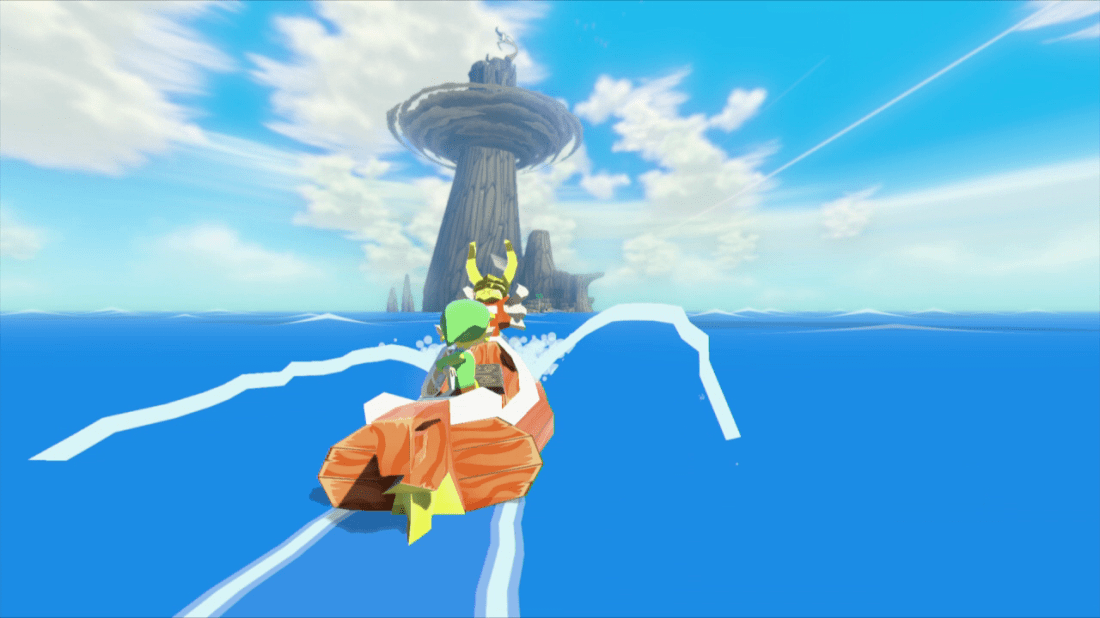
While Wind Waker’s ocean can feel a bit empty (it is an ocean, after all), I always enjoyed weaving my way through uncharted waters while moving to the next destination. There’s a sense of mystery behind this design, and knowing each square of the map has to contain something worthwhile gives a purpose to this exploration. This barren world in contrast to the open plains of Ocarina of Time also heightens the stakes; how could the world be left in such a state?

While each Zelda game since Ocarina of Time has had its own unique gimmick (barring Twilight Princess, which essentially operates as OoT 2.0), Wind Waker is one of the few to capture its own unique presentation while perfectly incorporating Ocarina of Time’s sense of progression. Each of the central dungeons have their own distinct appeal. Dragon Roost Cavern and Forbidden Woods both have a grand sense of scale which is then outsized by the even grander Tower of the Gods. The Earth and Water Temples make great use of Link’s allies.

The Legend of Zelda: The Wind Waker is in an odd position where most of its exceptional qualities are outdone by other installments in its series. The fact it still manages to be an all-time classic simply showcases the quality of Zelda’s basic formula. The dungeons might not compare to Ocarina of Time, the world certainly isn’t as expansive as Breath of the Wild, and the ocean gimmick doesn’t match the impact of Majora’s Mask’s three day cycle. But Wind Waker consistently displays all of the key elements in a surprisingly disparate series. If I had to suggest one game to truly capture the spirit of The Legend of Zelda in its entirety, The Wind Waker would be at the top of my list.

The Greatest Games: Hotline Miami (2012)

Hotline Miami (2012)
Developed by Dennaton Games

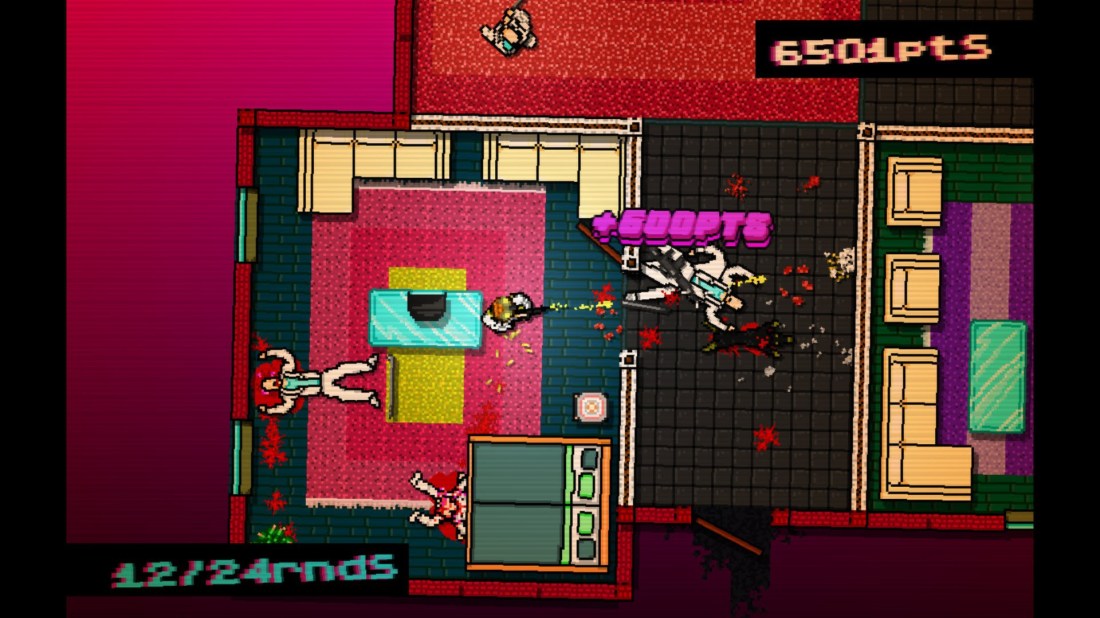
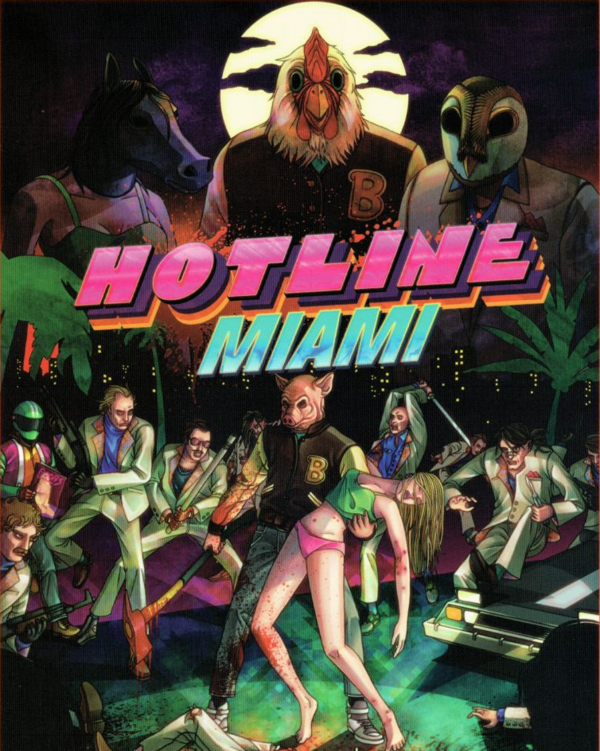
A brutally difficult top-down shooter with a narrative and atmosphere yanked straight from a David Lynch film, Hotline Miami is a game like few others. The story revolves around Jacket, a silent hitman who dons animal masks before slaughtering his targets. What starts as a traditional video game set-up quickly unravels once it becomes clear Jacket’s silent acceptance of these demands speaks to an unspoken trauma.

The visual presentation is consistently trippy, with Jacket repeatedly confronted by masked figures commenting on his actions. Are these people somehow involved, or are they even people at all? The fact Jacket wears these masks suggests they might be his own hallucinations. Colors flash along the edge of the screen with every kill, and later chapters mess around with ideas like having the entire screen twist to simulate dizziness. The soundtrack consists of frenetic electronic songs which only adds to the hallucinatory experience.

The gameplay is highly addictive. While challenging, the levels are quick enough to never be frustrating. With each of Jacket’s masks offering different advantages, there are tons of ways to tackle each stage. My preference is to sneak around and melee everyone I can; guns can be quicker, but they can also draw bigger crowds. Jacket is as fragile as any enemy, so every encounter is tense, especially once the game starts mixing in guard dogs and portly men who are immune to melee damage and can survive a few shots. Instead of having an inventory system, Jacket simply uses whatever is available. This tends to force the player to fight their way up to the better weapons.

Horror in video games can come about in many ways. The traditional survival horror genre goes for the obvious with a protagonist facing off against evil creatures. Hotline Miami is one of a rare class which goes for dissonance between player and character. Playing as Jacket feels wrong, but the experience is so strong that you’re going to continue, even as the world collapses around him. While video games have been established as a medium for interactive narratives, few games realize the potential for discomfort by only offering the protagonist the wrong path. Where such a story in any other medium would likely be an emotionally distant character study, Hotline Miami forces you to play along in a psychopath’s sadistic game.

Short and to the point, Hotline Miami mixes together chaotic gameplay, a soundtrack consisting of nothing but hypnotic bangers, and a dizzying narrative into one unforgettable experience.

The Greatest Games: Persona 3 (2007)

Persona 3 (2007)
Developed by Atlus

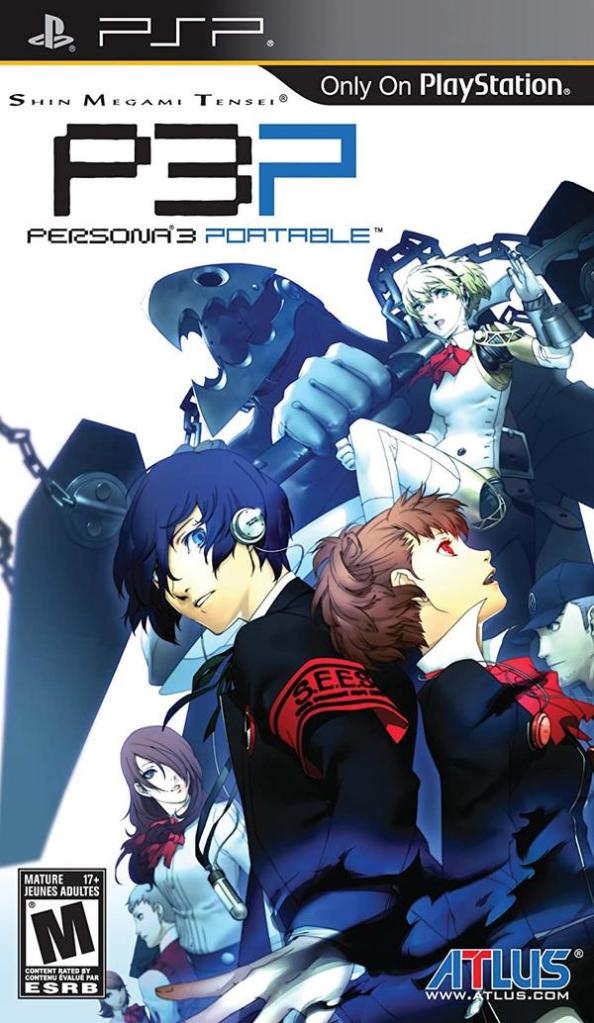
Atlus’s Persona series, starting with 3, mixes a ton of disparate elements into a surprisingly effective package. Persona 3 is the simplest take on the formula, but that simplicity has helped keep it distinct from its sequels. Where 4 and 5 weave intricate plots throughout the massive length, 3 feels more episodic. This allows the social element to feel more centralized.

The selling point of Persona is the way it mixes classic JRPG elements with the visual novel. Set over the better part of an in-game year, each day gives you time to do only a few things. The main character has just started at a new high school, where he’s dragged into a group fighting Shadows which invade the city during certain times. At the center of all this is a massive tower which the player must climb over the course of the 80+ hour game.

As a teenager, a social life is also necessary. Throughout Persona 3, you will meet characters corresponding to tarot cards. The player can summon his own personas with those labels, and improving relationships with these characters makes his personas stronger. These connections are a necessity – fresh personas tend to be under-leveled, but the experience boost from a strong bond gives a powerful edge.

Thus, the game is all about balancing time between building those bonds and conquering that tower with little direct guidance. The game suggests reaching a certain floor by certain points in the story, but it’s up to the player to find the time. Unfortunately, party members will grow tired over time, limiting how much you can explore during a single in-game day. Though this game is massive, time is always limited – unless you follow a guide, you will simply have to ignore some social links. Though well-integrated into the gameplay, these social links are also well written and serve to better emphasize the setting outside of the party members.

Something which has always intrigued me about Persona is how it manages to capture the feeling of an epic without necessarily being one. Despite its size, the majority of Persona 3 feels like a slice of life story which gets repeatedly invaded. Though plenty prefer the stronger narrative presence in the later games, Persona 3 lends itself to a more laidback experience. By breaking the experience into daily activities, it’s a story which is easy to take in pieces – or if you’re really engaged, it can have the same effect as the Civilization series. I’ve definitely found myself promising to only play ‘one more day,’ with the longer dungeon sequences being a nice reminder to take a break after that day turns into a week.

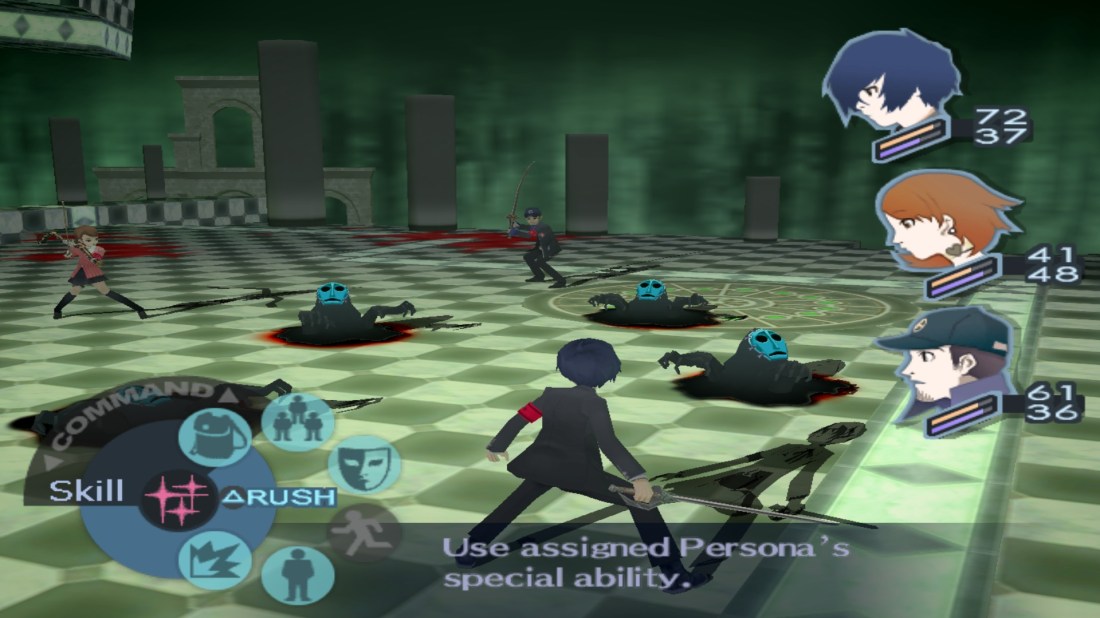
As with the mainline Shin Megami Tensei games, the Persona series has its own strong combat engine compared to other JRPGs. While a bit simpler than Nocturne’s turn press system, the one more system still emphasizes the need to hit weaknesses. In this system, each character acts separately, and they can chain together multiple hits if they keep hitting weaknesses. The main character might be well-equipped to hit whatever weak point is present, but that’s where the time mechanic becomes essential. Magic costs SP, and SP generally only recovers once you rest for the day. This forces a heavy focus on resource management during each trip – the last thing you want is to use more days than necessary to climb Tartarus. You need that time for social links!

While the overarching narrative remains in the background throughout most of the second act, the finale hits hard. Throughout most of the game, why you’re stuck fighting these shadows is a mystery. The finale goes to some heavy places, a perfect payoff for such a long journey.

It would be careless of me not to mention the soundtrack. From the soothing Velvet Room piece which serves as a series staple to the J-pop bops scattered throughout the cities and battles down to the dark ambience of key revelations, everything here stands on its own while perfectly adding to the game’s modern atmosphere. The highlight is “The Battle for Everyone’s Souls,” which plays during one of the final battles. Starting with heavy metal guitars, the song soon gives way to the Velvet Room vocals. These two disparate sounds are seamlessly mixed together and help make this one of gaming’s most unforgettable final bosses. The guitars reinforce this difficult battle, while the serene vocals serves as a reminder of how far you’ve come with these people. Another highlight is the tragic yet empowering “Memories of You” which plays over the credits. The fact both of these come from the ending reinforce the fact this game simply gets better as it goes – and it starts pretty strong!

Persona 3 helped establish one of gaming’s best formulas. The year-round social mechanics sets a perfect stage to really get attached to the characters while also serving a gameplay purpose. Like any other Shin Megami Tensei game, this is a JRPG which provides a legitimate challenge. Plenty of games mix genres to varying degrees of success, but few match how Persona 3 uses elements of the visual novel to add weight to its procedurally generated dungeon crawler.

The Greatest Games: Dark Souls III (2016)

Dark Souls III (2016)
Developed by FromSoftware

The strength of FromSoftware’s output over the last decade is how much they switched up combat over each iteration while maintaining the same foreboding world-building. The basic mechanics remain largely the same, but the change in feel between Dark Souls, Bloodborne, Dark Souls III, and Sekiro is distinct enough for each to stand apart.

Dark Souls III feels like a halfway point between Dark Souls’ methodical enemy design and Bloodborne’s ceaseless assaults. Where the first could be conquered largely by going slow and steady, Dark Souls III requires constant but careful aggression. While I tend to prefer the two extremes of those earlier games, Dark Souls III uses this new system to craft some of the greatest boss fights in the series.

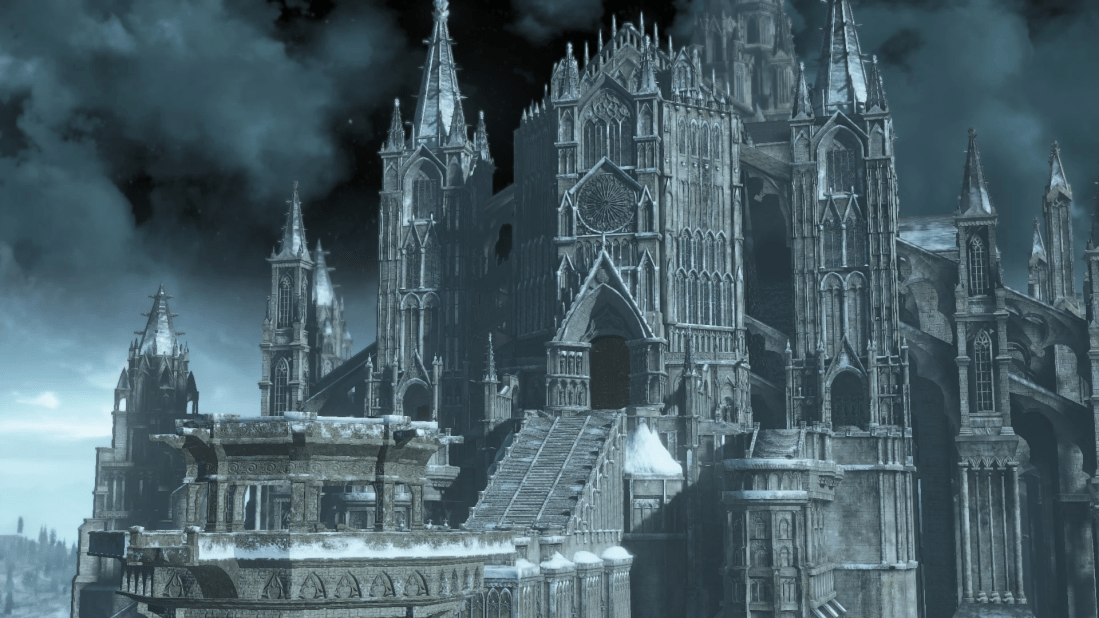
But what makes these boss fights so great goes beyond the mechanics alone. While losing some of the original game’s intricate connections, Dark Souls III makes up for it by expanding the scope of each individual location. Many of the connections in the first game felt like neat reminders that all of its areas were surprisingly close. Here, the shortcuts are a necessity. Soulsborne games are all about the checkpoint-to-boss run. The game rewards exploration by cutting many of those paths shorter. What makes this world design so great is mechanically simple – many central bonfires have a few exits, but all but the first remain locked until you progress. By seeing a locked door, the game is providing an unspoken hint – your next stop likely involves finding your way back to the same point from the other direction. This really emphasizes the bosses as the grand finale of the entire location instead of just the third or fourth checkpoint. They might send you back to the beginning, but the beginning is rarely that far – if you’ve earned it.

Despite the extravagant presentation of these locations, subtlety is the key. These games are constantly teaching the player what to expect while relying on us picking up the pieces. It’s never holding the player’s hand, but it’s rarely dropping the player into uncharted territory.

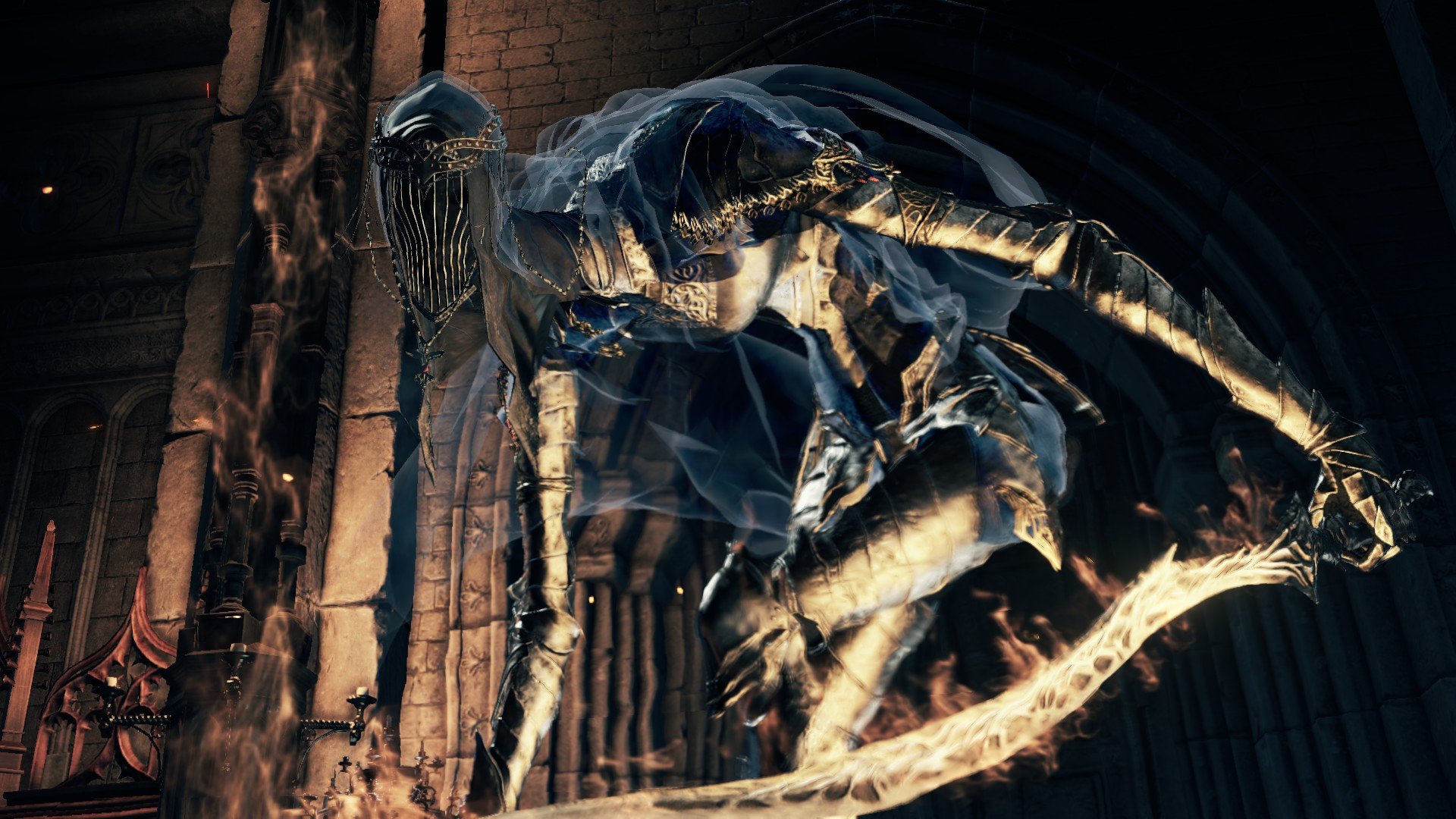
Dancer of the Boreal Valley | Dark Souls 3 Wiki

Games which are challenging purely to be challenging rarely click with me, but the best Soulsborne games always feel like they’re teaching me something new with each death – which is actually why I tend to prefer the runs between bosses to the bosses themselves. While you may die a few dozen times, there’s rarely a point while exploring where you’ll feel as if you’re not making progress. Most bosses are simply asking the player to use their skills to the best of their abilities, which is common enough in most video games. If you’re not particularly good at a certain boss, it can devolve into a repetitive and hopeless battle. Some enjoy the thrill of overcoming these odds, but certain moments can feel like distinct blockades from what I truly enjoy about the genre.

But what makes the Soulsborne games so surprisingly accessible (sans Sekiro, which doesn’t actually fall into the genre but is still related and feels like a serious step down for this and a variety of other reasons) are the options provided to mitigate this difficulty. These are RPGs, after all, and sometimes all you really need is a few more levels or a weapon upgrade. If you’re truly incapable of beating the boss on your own, that’s fine, too – one of the coolest features allows the option to summon other players for help, which practically changes the genre entirely.

One thing worth mentioning is how much skill this game involves. There’s nothing quite like starting up a new character and realizing you’re capable of rolling over those early bosses. This is not a number’s game like a traditional RPG at all – who needs more HP when you can avoid the attacks entirely? These other options can make it easier, but victory is ultimately possible at any level.

The online features have always been a highlight. In Dark Souls III, you can become embered to increase your maximum health. However, while in this state, other players can invade. General invasion isn’t too common, but certain areas are designed for constant swarms. The covenant mechanic offers a ton of variety in how these encounters come about, and the possibility of invasion adds a constant tension even after familiarizing yourself with an area. Players can also leave notes on the ground to warn others, which can eliminate many intentionally cheap moments as long as you bother checking.

Dark Souls 3: Iudex Gundyr to Firelink Shrine - VG247

Despite Bloodborne being a separate series, its eldritch influences left an obvious mark. The first boss in Dark Souls III has been corrupted by a writhing black mass. The next has devolved into moving on four legs. Others like the Dancer of the Boreal Valley carry an inhuman grace. All of the bosses have their own iconic presentation and play against the mechanics in their own ways; no two bosses are alike, even the two which should be. The game also has a phenomenal soundtrack, adding that extra epic ambience to each encounter.

There are also three distinct areas most of us would miss without a guide, with one of these areas being hidden behind an already optional area. With such a foreboding atmosphere throughout, stumbling across what feels like you were never supposed to find is an unforgettable experience. No matter what location you’re in, there’s always a dark beauty to this game. The final location and its bleeding sun is truly breathtaking.

Dark Souls III is largely more of the same – but when something is part of an era defining movement, that’s not a bad thing. Offering just the right amount of nostalgia while otherwise pushing boundaries, Dark Souls III helps prove the Soulsborne formula is imitable – the only problem is most other developers have yet to figure out how.

The Greatest Games: Bayonetta 2 (2014)

Bayonetta 2 (2014)
Developed by PlatinumGames

For all intents, the Bayonetta series filled the void left by the Devil May Cry series between 2005 and 2019. The first game was directed by Hideki Kamiya, who also directed the first Devil May Cry. Bayonetta 2 generally built upon that first installment, which was personally marred by my experience with the atrocious PS3 port.

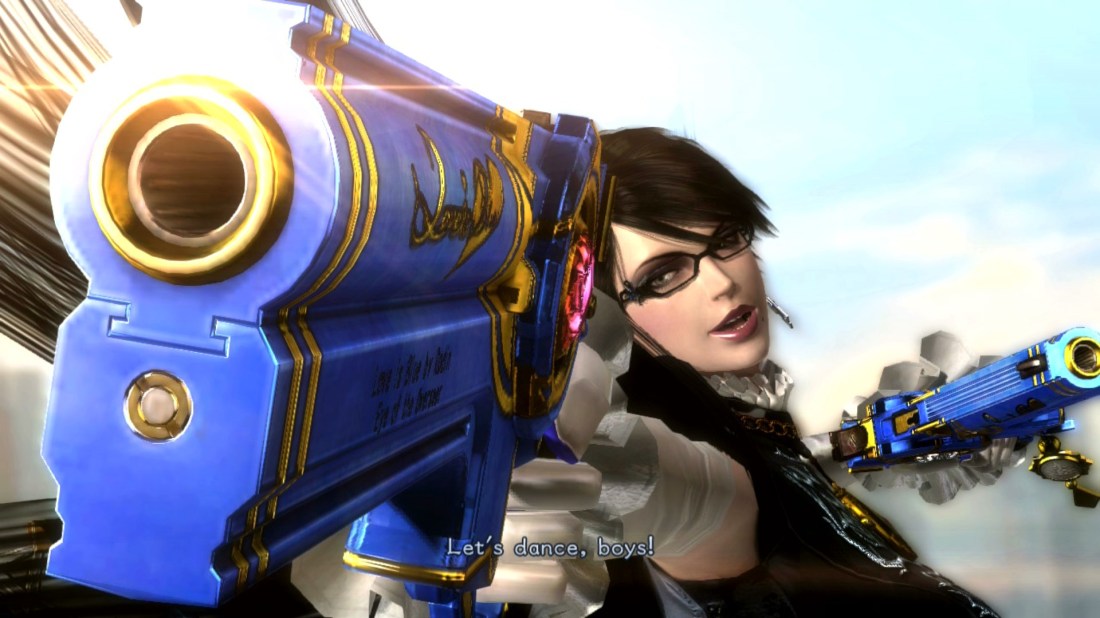
What Bayonetta 2 may lack in mechanical depths is made up by the simple pleasure of its dodge mechanic. Called Witch Time, a successful dodge will momentarily slow down time and let Bayonetta get in a small combo. There’s a simple grace to the flow of battle. While the best Devil May Cry games have deeper mechanics, their basic enemy designs could be all over the place. In Bayonetta, everything feels tightly built around these simpler ideas. For the average player, Bayonetta 2 is absolutely a top-notch gameplay experience.

Like Devil May Cry, Bayonetta can also be really dumb. Where Dante is an edgy dork, Bayonetta pushes a dominant sexy image to the point of absurdity. A lot of games try and completely fail at being sexy, usually to the point of embarrassment. By being so unabashedly at the center of the presentation, Bayonetta’s take is oddly compelling. The character was designed by a woman, and this feels key to explaining why it works. Her sexy performance comes off less like fanservice and more like a power move. While obviously not successful for everyone, she somehow appeals to the four major corners of human sexuality. Bayonetta is a power fantasy for both lesbian and straight women and a fabulous inspiration to drag queens everywhere – in fact, I believe she might be least appealing to the straight men for whom we usually assume these sorts of characters are designed.

The whole series oozes style. Everything from the basic enemies to the boss battles to the backgrounds remain in constant motion, and the frequent shifting in and out of slow motion builds upon this. Sometimes billed as stylish action games, having such a frenetic energy is key to the experience. The narrative and characters are the exact kind of joyous nonsense you would expect from Devil May Cry, just with a more feminine tone.

Character action games like Bayonetta 2 are some of gaming’s simpler joys. The whole game can be completed in only a few hours, but there’s a ton of variety to draw you back for more. From new weapons and abilities to harder difficulties and an alternate character, this is the type of game that demands being played a few times. With such a stellar combat system, this demand is far from a problem.

The Greatest Games: Fallout: New Vegas (2010)

Fallout: New Vegas (2010)
Developed by Obsidian Entertainment

While the Fallout series has been around for a while, the series went through a total transformation after changing publishers. The first two games were classic isometric WRPGs. As soon as Bethesda took over, they essentially changed it into The Elder Scrolls with a different setting. Fallout: New Vegas now feels like the most essential game in the series, combining the gameplay of the latter entries with the charm of the originals thanks to being developed by many involved in the older games.

New Vegas did not always sit atop that pedestal. Bethesda games are always busted, but New Vegas felt particularly unstable. When I first bought the game, I put it down after only an hour due to my character’s gun constantly bobbing up and down at random. It was the type of flaw which did not outright break the game but made the visual interface nauseating. It took picking up years later after tons of patches to see the true quality.

Fallout is at its best while being humorous. The numbered Bethesda entries have their fair share of comedy, but the settings can be a bit drab. Strolling through the National Mall in Fallout 3 is certainly a compelling experience, but the Las Vegas setting allows some brilliant nonsense.

What makes The Elder Scrolls work and thus Fallout by association is the massive amount of content to explore. Where most RPGs consist of caves and keeps, the retro-future setting of Fallout offers some truly unique locations. The series staple is the fallout vaults, which is how people survived into the present day. However, each and every vault was actually an experiment. Diving deeper and discovering their stories is always a joy. One feels lifted straight out of a Shirley Jackson social horror story while another has been overrun with fungus. The lore runs deep, always maintaining a darkly humorous atmosphere even as it descends into madness.

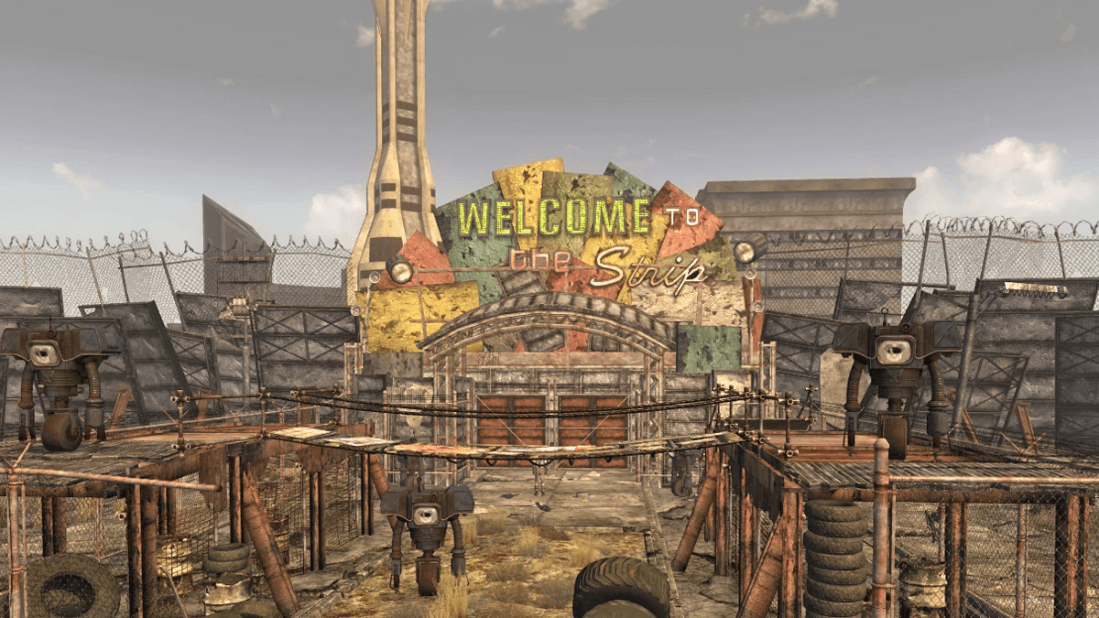
The quests are always a riot thanks to the many oddball factions. One gang consists of Elvis impersonators while one of the major factions vying for power has regressed into ancient Roman culture. The strip offers a dusty yet colorful environment, with each of the casinos having their own bonkers narrative. Despite being post-apocalyptic, so many of these areas feel alive.

I’ve always been a fan of how this series handles its nature as an RPG/FPS hybrid. The V.A.T.S. system is a stylized way to momentarily emphasize strategy over shooting. And while there are stat increases, a lot of the fun in levelling is choosing from the massive variety of perks. Some add new dialogue options, others make V.A.T.S. more versatile, while another reveals the entire map. There are so many ways to play this game, especially when considering the typical morality system which offers several ways of handling each quest. One of the most ingenious details is how dialogue options can change depending upon your build – including some special lines when your character is particularly unintelligent.

We put up with Bethesda’s glitches because the core experience tends to be so strong. There’s just so much to do here, and the game accommodates whatever playstyle you choose. With Obsidian’s brilliant writing, New Vegas is simply the best Fallout game.

The Greatest Games: Hollow Knight (2017)

Hollow Knight (2017)
Developed by Team Cherry

Hollow Knight merges two subgenres which regularly prove hard yet popular to imitate. Instead of having a proper title, both of these are named after the games which started it all. This is not a unique trait – the first-person shooter genre was commonly referred to as Doom clones. FPS became the popular term once other games improved upon its foundation. This suggests that other entries in these subgenres have failed to differentiate themselves enough to force us to collectively determine another name. Looking at my own top 100, this appears to be largely true – Hollow Knight is the only game here belonging to the Metroidvania and Soulsborne subgenres outside of, well, Metroid, Castlevania, and From Software’s variously titled games. The fact it manages both would seem an extraordinary feat, but the truth is that these two genres share many common elements. Hollow Knight exploits this to massive success.

A Metroidvania game does not necessarily need a map, but lacking one tends to be a frustrating feature. Hollow Knight manages to maximize its tension by delaying this element. Each new area requires finding a cartographer who sells a basic map, forcing you to stumble around blind until you pick up his literal paper trail. Even once you find the map, it does not automatically update with each step – the knight must rest at a bench first. This little change makes a massive atmospheric difference, which is key to selling the Soulsborne experience.

Another key element of Metroidvanias is a world where each area needs to be revisited, and Hollow Knight is loaded with hidden rooms. A lot of paths are blocked by requiring upgrades, but many of these locations have alternative entrances. Hollow Knight feels very open compared to others in the genre, which can sometimes feel like linear games with the illusion of limitless direction. Large swaths of Hollow Knight can be taken in any order. There are also dozens of side areas I passed over repeatedly before finally noticing an entrance – once you think you’ve seen everything, you’ll suddenly discover an entire sub-area with its own boss. There was even an early game boss I failed to stumble across until I neared the end. Most Metroidvania games will have a few hiccups where there’s only one rather obtuse path forward. Hollow Knight simply has so many paths and such an open structure that you’ll never run out of places to explore.

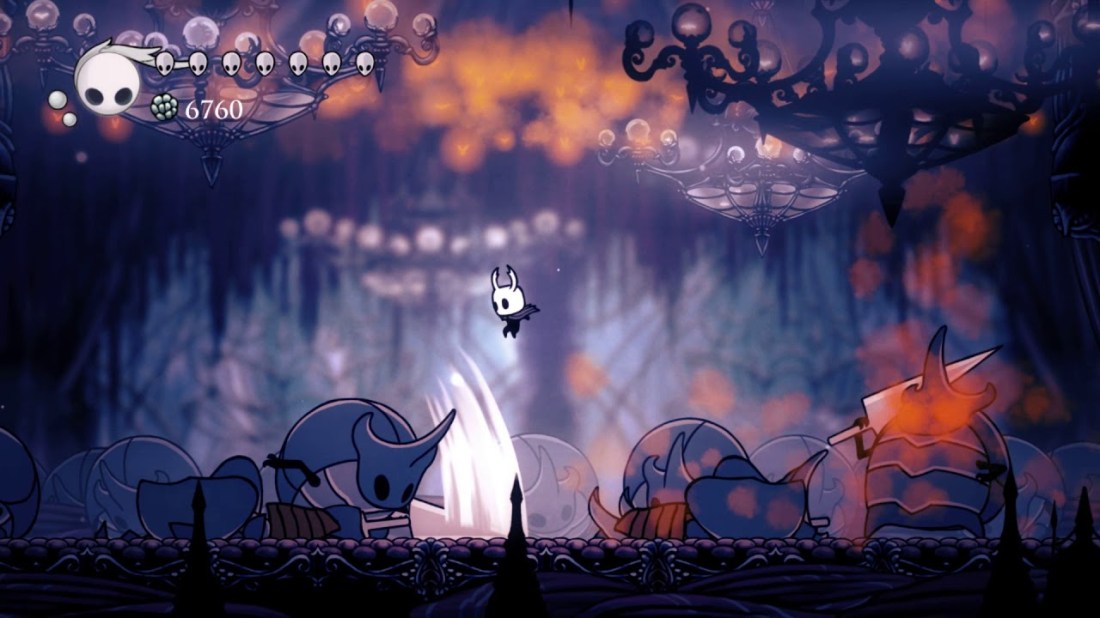
Hollow Knight features many of the surface-level Soulsborne elements, such as the need to recover resources from wherever you died and the bench-to-boss runs. But what really sells these games are their foreboding atmospheres. Many developers confuse this for brutal difficulty despite the Souls series employing an unusual system for mitigating the challenge if desired. Hollow Knight is just challenging enough. Bosses like the Watcher Knights will absolutely roll you over in the first few attempts, but it never feels unmanageable. The patterns are clear enough to show why you failed; the challenge is less about overwhelming the player and more about understanding the exact moments to attack. The gameplay is effortlessly smooth, ensuring that these numerous attempts are actually enjoyable.

But, again, these games aren’t hard purely for the sake of difficulty. They make each new and sprawling location feel like a reward, giving a sense of trespassing within places which needed utmost protection. At least from my perspective, the true joy of this genre is not the boss fights but seeing the massive world unfurl. By giving only the slightest direct information, these games largely rely on environmental storytelling. A lot can be gathered just be seeing which bosses are protecting which area, and the lack of explanation makes some locations truly terrifying despite the cartoonish art style.

The lack of RPG elements actually feels essential here. Instead of simply levelling to gain power, improvements are scattered across the world. In the rare case you do come across a boss which seems too hard to manage, that’s all the more reason to turn around and explore another corridor. With dozens of charms to equip, mask fragments which increase health, and pale ore to improve your weapon, there’s always something around the corner which might give the right advantage. You may end up grinding to be able to buy a few great charms, but the most charming element of this game is the way it rewards constant progression.

Hollow Knight is all about the sensation of being lost. In fact, this might just be the biggest Metroidvania out there, and the whole experience is dizzying. From the first descent into the Forgotten Crossroads to the absolutely nightmarish run through the White Palace, every area leaves its mark. Maintaining the perfect difficulty to be challenging but never hard enough to outright block progression, Hollow Knight captures the spirit of Dark Souls while remaining surprisingly accessible.