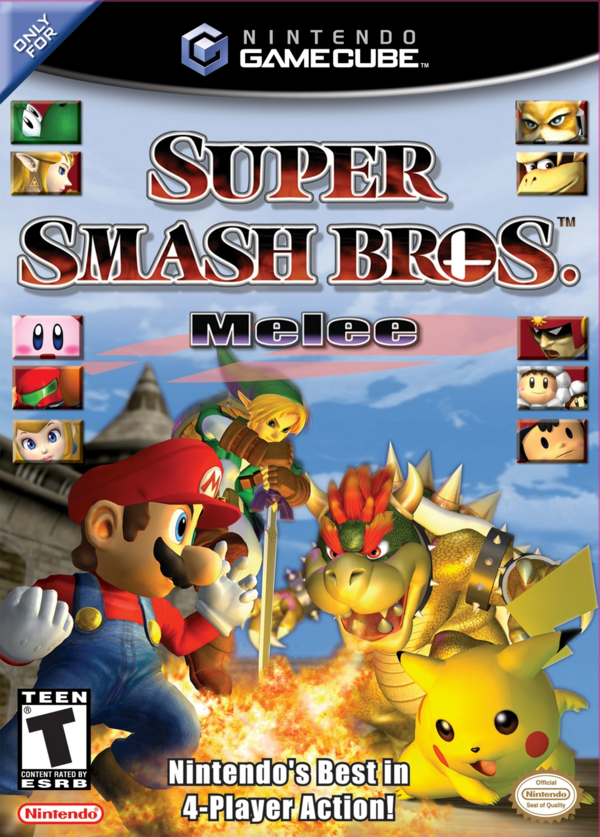
The Greatest Games: Super Smash Bros. Melee (2001)

Super Smash Bros. Melee (2001)
Developed by HAL Laboratory

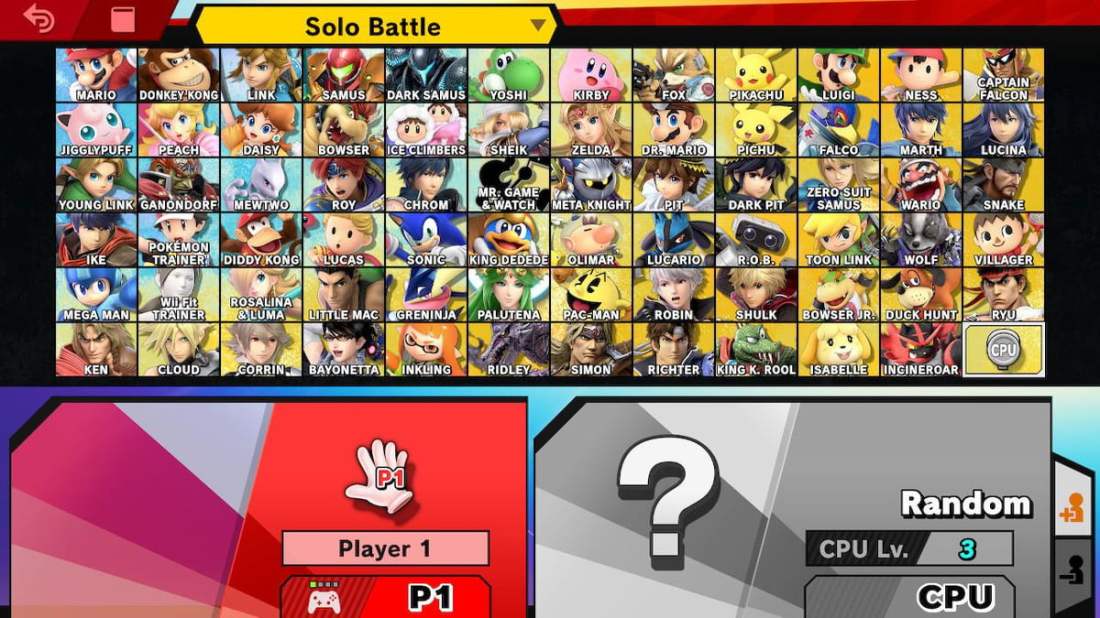
As much as the roster keeps increasing, there’s something about Super Smash Bros. Melee that hasn’t been outright replaced by Ultimate like its following two sequels. Part of this is certainly nostalgia, but there’s something to be said about a tighter roster and Melee’s fluid motion.

When I finally got a Nintendo Gamecube, the only consoles I had owned before were a Sega Genesis, a Game Boy Color, a PlayStation 2, and a Game Boy Advance. Thus, my experience with Nintendo was largely limited to the Pokemon series and Super Mario Bros. Deluxe; there were certainly others I could have picked up with the handheld systems, but I had no one to push me in the right direction. Since I wanted this system to be able to play with more friends, my first games were Mario Kart: Double Dash and Super Smash Bros. Melee.

Beyond its (now small) roster, this game was loaded with Nintendo content. I could get lost in the trophies and their descriptions. With friends as clueless as I was beyond the colorful platformers of the time, this was my first real gateway into gaming at large. Melee guided me to Metroid Prime and F-Zero GX. Getting lost in The Legend of Zelda: The Wind Waker in turn led me to discover GameFAQs on the final day of its third character battle, where Link himself narrowly defeated some obscure character named Cloud Strife. While my interest in those contests turned into my biggest gateway, it all started with Super Smash Bros. Melee’s celebration of its own history.

There are few games I have invested more hours in than Super Smash Bros. Melee; even after the release of Brawl, most of my friends preferred the feeling of Melee (which was then compounded by my Brawl disc inexplicably not working for a year before suddenly working again). Mario Kart was fine enough, Mario Party fun in its own stupid way, but Melee dominated all up until the Rock Band craze (which itself largely signaled the end of video games in my social life, replaced by board games as I entered college). My preference for games leans toward the single player experience, but Melee has always had its own special pedestal.

Part of the appeal over later sequels is the simplicity. Roster additions starting with Brawl felt more and more specialized (which is not bad, considering I place Melee and Ultimate on a near equal level). With only 26 characters and a few of those being clones, it was easier to learn how to fight with and against each potential style. In the end, if you mainly play with a few friends and those friends tend to stick to a handful of fighters at best, a larger roster does not change too much. I always preferred the frenetic feel of Melee, even as a casual player. Something about falling faster made every second more urgent.

So, yes, a large part of this inclusion plays into my nostalgia; but while compiling a work on the hundred games which influenced me most, it would be wrong to exclude something which dominated nearly a decade of my life. The simple fact that Melee vs. Ultimate is an argument at all is a testament to how much Nintendo got right all the way back in 2001. Even with the series pushing 80 characters, it is all based around Melee’s core design.
The Greatest Games: Pokemon Black and White (2011)

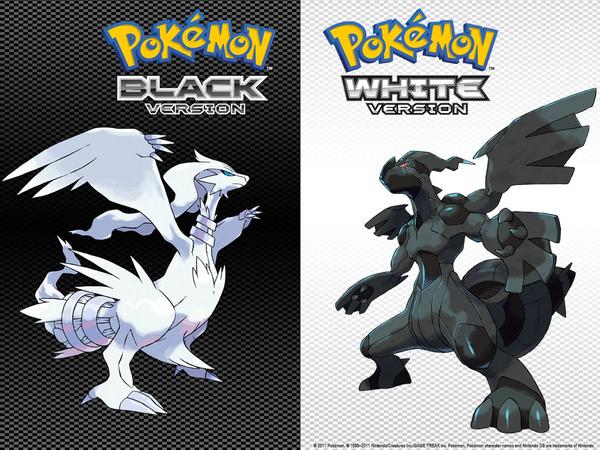
Pokemon Black and White (2011)
Developed by Game Freak

The Pokemon series is one of the hardest to consider in comparison to itself. Red and Blue got the ball rolling and established the formula which would define the rest of the series, but shoddy programming and simplistic combat left much to be desired. Gold and Silver fixed the technical errors while taking the battle system up another notch by splitting the special stat and introducing two new types. Ruby and Sapphire added another layer to combat with abilities, but was bogged down with an overdeveloped world which was tedious to explore. Diamond and Pearl made the final essential gameplay change; where each type was previously associated with either attack or special attack, this now depended on the individual move. But yet again, the world itself was not as fun to explore. Every game in the 3D era has brought its own problems, whether it be X/Y’s technical flaws, Sun and Moon’s overbearing narrative, or Sword and Shield cutting back despite being the first mainline console Pokemon.

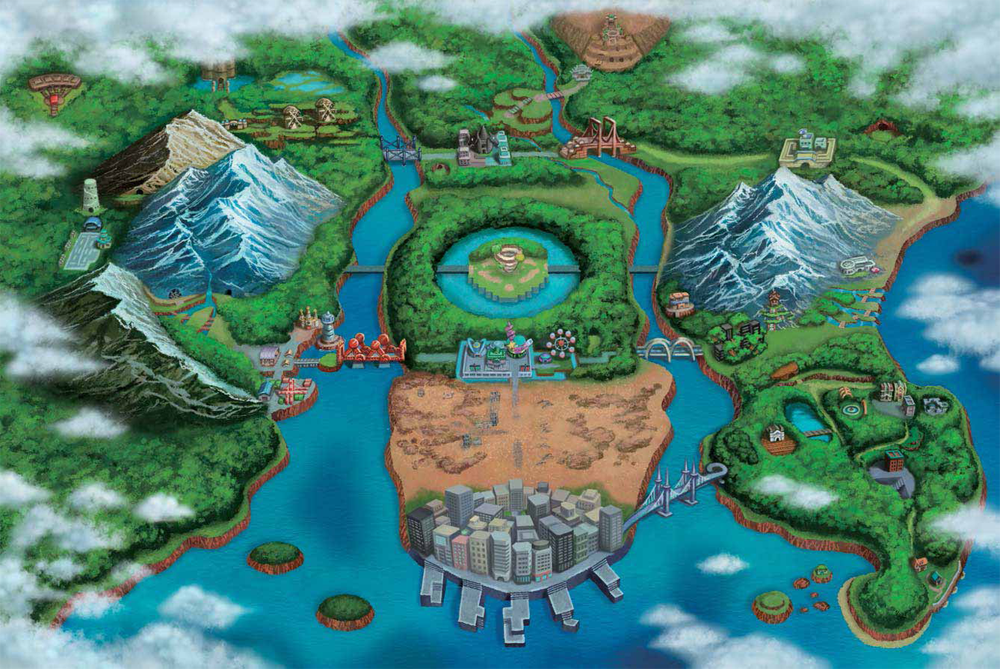
This leaves the period after Diamond and Pearl but before the 3D era in the perfect sweet spot; Black and White has all the positives of its predecessors and tops it off with the best region since the earliest editions. What really made this generation special was being the first since Red and Blue to only offer new Pokemon during the main quest. While these 156 Pokemon may not be the most popular set, they really made Unova stand out as its own unique region.

In a series where the plot tends to be an excuse and the villains are largely cartoonish, Black and White achieved something special with N. Where others are selfish or misguided (what either team in Ruby and Sapphire thought they would accomplish is still completely beyond me), N’s goals seem perfectly reasonable. For whatever reason, Nintendo decided to actually confront the vague dogfighting tones present since the beginning. N stands against Pokemon battles, only pursuing that path in hopes of someday convincing others to give them up. His goals may ultimately be naïve, but there’s something great about a sympathetic villain who will actually listen to reason.

Of course, Pokemon is one of the rare JRPGs that sells itself more on its gameplay than the narrative presentation. After all the advancements of the series, Pokemon Black and White benefits from the most complex version of rock paper scissors. Now with eighteen types to choose from and hundreds of moves which hit in different ways, Pokemon is an infinitely variable series. The Nuzlocke challenge was born for a reason; tons of us are always looking for a new excuse to revisit these games. Even without any special rules, it’s fun to go back and try out a new team. Unova is an easy choice when considering which region to revisit, with Black and White 2 offering an excellent change in variety if you tire of seeing only the native Pokemon.

Pokemon is a series where everyone has their own favorite era. For me, the mechanics introduced in Generation 4 are absolutely essential, and anything beyond that depends on which particular regional qualities you prefer. From my perspective, the New York City-based Unova is simply the most inspired.

The Greatest Games: Star Fox 64 (1997)

Star Fox 64 (1997)
Developed by Nintendo EAD

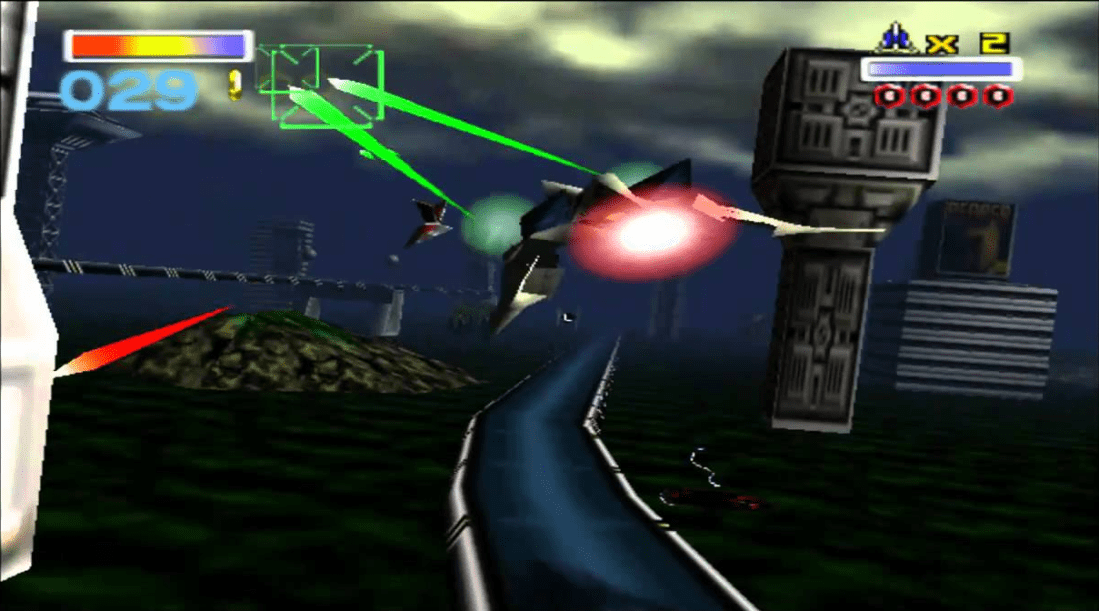
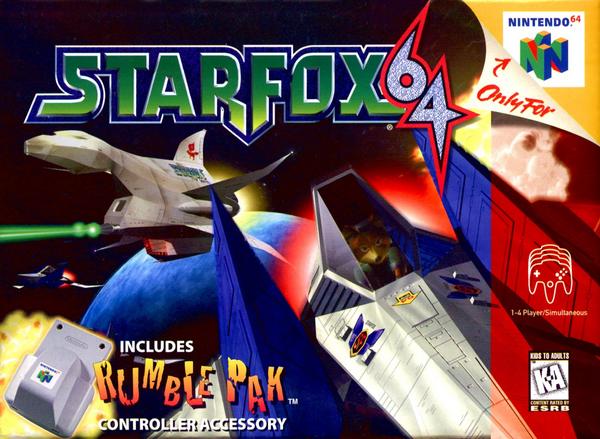
Rail shooters feel like a relic from a bygone era. As games become more focused on open exploration, the idea of a genre built around giving the player minimal control seems archaic at best. I believe part of the genre’s failure stems from Nintendo’s inability to truly follow up on Star Fox 64. Where most major Nintendo franchises laid the foundation for classic genres headed into a new technological era, the company seems to have given up on attempts at giving this genre the same treatment. Perhaps this perception is partially true; even this highlight of the genre was incredibly short for its era, though maybe some indie dev out there will stumble across the formula and make a phenomenal throwback.

Star Fox 64’s short, simple nature is what made it work. From an era when arcades still had their influence, part of the charm was to jump back in and try to outdo yourself. The game offered a variety of paths, all revolving around completing certain tasks during the levels. While reaching the end could be easy, actually managing to go down the hardest path required some serious skills. All of this works to make each new playthrough both unique and rewarding as you work toward the top path.

While being admittedly cheesy, there’s something about Star Fox 64’s presentation which holds up more than most games from its era. The on-rails presentation allowing complex scripted events and noninvasive dialogue gave the game a surprisingly cinematic feel. Despite the short length, every level feels like an epic space battle.

This feels like a point I’m hitting over and over, but purposeful simplicity is just as valid as complex game design, and it’s a shame major studios seem convinced they have to add in dozens of features to every game they make. Sometimes, it’s nice to start up a game and be done with it in the same sitting. The level design in Star Fox 64 is tight and to the point; it’s not that it lacks content as much as it is stripped down and focused on making every second count.

Blazing through space, shooting down enemies and avoiding their attacks, all of this adds up to a fun experience. Even if the genre had nowhere to go from here, Star Fox 64 set a new standard for narrative presentation. In a way, the game marks a turning point between two eras. While being the peak of a dying genre, it stands as a predecessor to the non-interruptive narratives that FPS games would soon specialize in.

The Greatest Games: Shin Megami Tensei: Nocturne (2004)

Shin Megami Tensei: Nocturne (2004)
Developed by Atlus

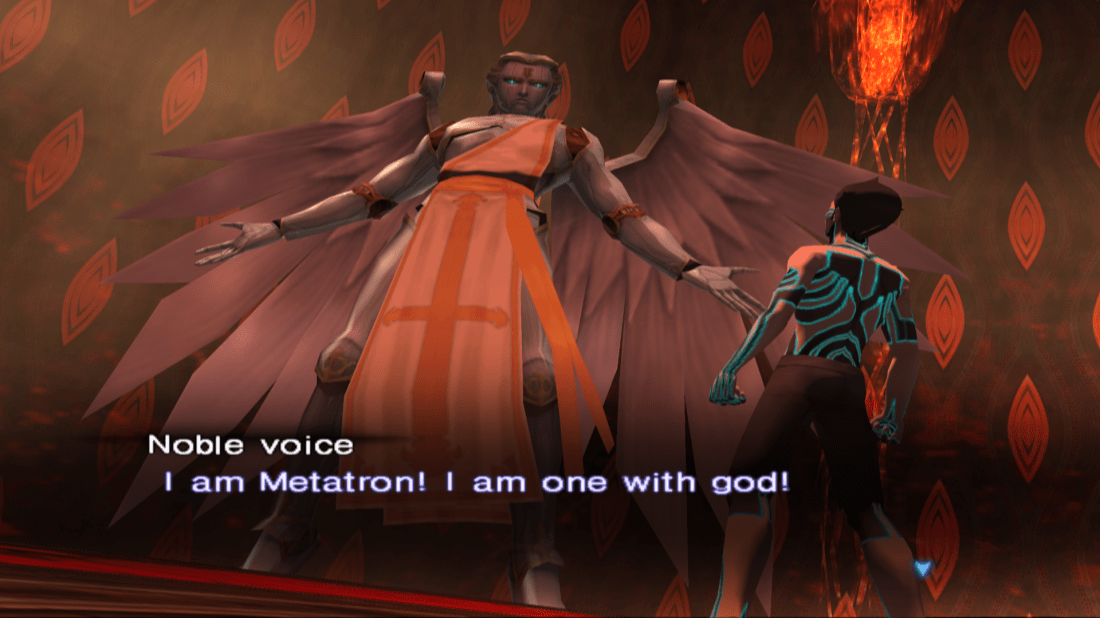
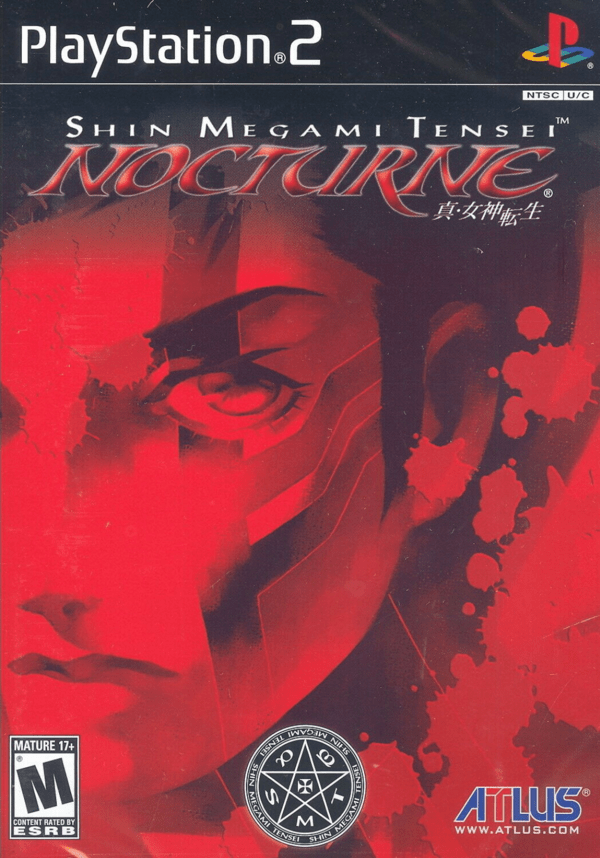
The JRPG genre has largely achieved its popularity based on its ability to present narratives of an epic scope. Balancing the gameplay has proven a challenge to many developers. Common enemies tend to collapse after enough basic attacks, while the few challenging bosses can be overcome by grinding levels for a bit. It’s rare to find a truly challenging JRPG that isn’t caused by the player being perpetually under-leveled, but Atlus has made an art of this feat.

Now overshadowed by its more narrative-heavy spinoff, Persona, it is sometimes hard to remember the minimalism intrinsic to Nocturne’s design. Where most series focus on the battle between good and evil, Shin Megami Tensei treats this as a struggle between order and chaos. Nocturne takes these sides to the most extreme point; the protagonist, Demi-fiend, is forced to choose one of several questionable options. The lack of a satisfying alternative is maddening, lending well to the game’s oppressive atmosphere. There is one clear option to reject everything, but chances are you won’t like who you are working with toward that goal.

Most fantasy settings tend to stick to a few familiar flavors (what’s an RPG without Medieval castles?), so something like Nocturne’s demon-infused Tokyo immediately stands out. The dungeons are shopping malls, hospitals, construction sites; anything to reinforce this was once our world. Few games feel so outright desolate.

Unlike practically any other JRPG, the draw here actually is the gameplay. Grinding might help, but Shin Megami Tensei is all about strategy. Like most JRPGs, enemies have their weaknesses and resistances. But where those exist largely to do a bit more damage in other games, Nocturne’s entire combat system is built around hitting the right enemy with the right move.

The Turn Press system makes every move count. Hitting a weakness gives an extra chance to attack before the enemies get their turn, up to a full round of additional attacks. With a varied enough team, you might be able to wipe out the enemies before the game ever rolls over to their turn. On the other hand, missing an enemy takes two attacks away, while having your attack repelled or absorbed immediately ends your entire turn. Thus, battles become a mad dash to identify what works, as you need those extra turns.

Like Pokemon, a major selling point here is that you can essentially capture the game’s many demons. Your party consists of Demi-Fiend and three demon allies, but these demons have limited use and level slower. Where the game shines is the ability to fuse demons to make something stronger, the resulting demon gaining otherwise unobtainable skills from its parents. The massive amount of demons are a necessity, as there are enough ultra-hard bosses where you will want an entire team that can hit any available weakness. Additionally, SMT is a rare JRPG series where stat boosts actually mean something, so having a support unit is also feasible. The benefit to a challenge is that variety counts for more.

With move sets being limited, choosing which form of an attack to keep can be a surprisingly hard decision. In most RPGs, a spell which does the same damage but can hit all enemies would be the logical choice. Here, it might be better to keep the version which can only hit a single target, lest you hit something which can absorb the attack and negate any benefit. There is also a spell type which always does neutral damage, which seems like a safe choice until you remember the need to hit weaknesses. Luckily, the ability to summon previously discovered demons negates any permanent damage from a poor decision. Any time your team falls behind, you simply have to make a new one.

Few JRPGs have tension as a selling point, but almost every single battle in Nocturne left me on the edge of my seat. Each new area means a new set of enemies you must analyze, making this a constant game of risk vs. reward. With instant-death attacks which can actually work and enemies that can wail upon you the moment they hit an ally’s weakness, one bad turn can ruin everything. What makes Nocturne actually work is that it gives you the tools to mitigate these risks. Why even enter a battle with a weakness once you’re able to fuse a negating ability to turn that weakness into a strength? The massive compendium offers an endless sea of possible demons; the greatest puzzle in this game is figuring out how to get this ability onto that monster with the least amount of fusing necessary. Your demons are what you make of them.

Shin Megami Tensei: Nocturne fills a unique niche, almost like the antithesis of the traditional JRPG. Anyone expecting a party of plucky heroes fighting against evil will be disappointed. But for those who want to see what the JRPG can offer when focused on making every single encounter have weight, few have ever done it better.

The Greatest Games: We Love Katamari (2005)

We Love Katamari (2005)
Developed by Namco

Video games have always been able to get away with oddity unquestioned. After Super Mario Bros. smashed onto the scene, nothing seemed too conceptually ridiculous. It takes a massive quantity of absurdity to actually register and, boy, does the Katamari series deliver.

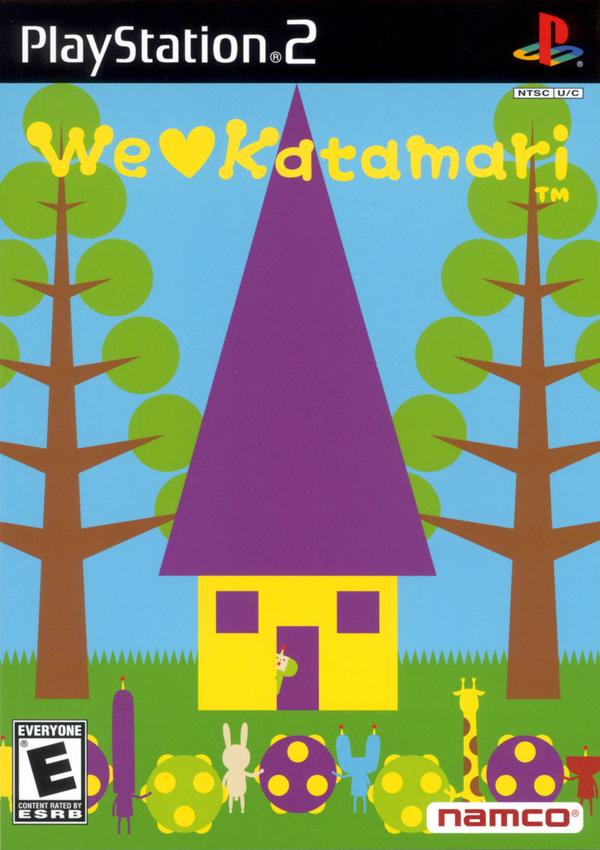
The second game in the series, We Love Katamari took everything from Katamari Damacy and made it even better. Your goal is to push around a tiny ball and collect smaller objects which stick to the surface. Anything too big won’t fit, so each level is built around a loop of collecting the small objects until the ball is big enough for the next set; but if you want to maximize your size, you must quickly find those objects which give the biggest boost. Once you get rolling, there’s no stopping. A pencil? Go ahead. A cat? No one’s going to question your morality here. A fleeing school child? Baby, when we’re finished here, every country on earth is going to be shot into space. All will be sacrificed to the beautiful ball.

This is a game that nearly defies genre labels; it can be called a puzzle game, though that doesn’t feel quite right. Katamari became a momentary craze because it’s so singular; it faded just as quickly because there’s no meaningful way to expand beyond what we got here. Like Tetris, Katamari is inimitable and as good today as it was upon release.

The narrative presentation is completely baffling. You play the teeny Prince of All Cosmos, who came to earth because his father destroyed everything else in space and the only way to fix things is the katamari ball. After restoring the stars in the first game, you must now make themed planets for the inexplicable fans of the process. The King will make completely bonkers statements as you progress during the level before giving an equally inexplicable evaluation once it’s all over. This kookiness is a bit of a necessity, since one might actually ponder the morality of their actions here otherwise (save us if anyone even suggests an edgy reboot).

The levels expand upon the basic concept in several ways. Many have you in search of specific objects, such as paper cranes or clouds. One memorable level ends the moment you collect either a cow or bear (or anything which may be confused for such), forcing you to navigate around these objects until you’re big enough to collect something good. The highlight is the simple but ambitious As Large as Possible finale, where you start with a 1 meter ball and have 17 minutes to reach 500 meters; but since the game lets you keep going to get as large as possible, it’s always fun to go back and break into the thousands. There’s something mesmerizing about rolling up literal landmasses and looking back to realize you started by getting knocked around on a street corner. All of these stages are backed with music as strange and wonderful as the game itself.

Katamari is one of the purest experiences in gaming, a simple yet addictive exercise in growing very large. There’s no hidden meaning or anything to analyze. A team at Namco simply came up with a fun idea and immediately grasped everything which would make it excellent.

The Greatest Games: God of War (2018)

God of War (2018)
Developed by SIE Santa Monica Studio

The God of War reboot is a bizarre experience. Sony took the edgiest franchise this side of Mortal Kombat and decided to question its morality. The necessity of this was questionable; the finale for the original trilogy hadn’t even been out a decade. Culture is constantly changing, certainly, but many of us already read the first three games as a nightmarish descent into the mind of an enraged madman. Few of us needed to see Kratos with a son to realize his toxic influence.

Not only did the presentation change, but everything from the combat to the level design was completely overhauled. Gone are Kratos’s chained blades, replaced by an axe. The camera is scooted in close like every other modern Sony action-adventure game. An average playthrough will take about as long as the original trilogy combined, as it has moved from a straightforward action series to a semi-open world epic. In fact, this game feels singlehandedly designed to upset fans of the older games.

Somehow, all of this worked. The further you progress, the more and more you realize how natural all these changes are in the creation of a modern God of War. Sony could have easily made this a new property, but so much of the experience is shaped by the juxtaposition between old and new; to know the violence in Kratos’s heart and see him hold back to be a better role model defines this game.

God of War is all about a sense of scale; from the sprawling Lake of Nine which acts as a central hub area to the mountains you must climb to the other realms, this game feels overwhelmingly big. Few games have ever looked this good, but most of these locations go beyond pretty visuals to include clever puzzles which must be navigated. While the previous games already had Kratos facing off against the gods, this wonderful level design even better encapsulates the feeling of him against the world.

It takes some time to adjust to the combat. Lifting controls typically used in third-person shooters was an odd choice for a melee-based action game, but Kratos will be throwing his ax enough to make it necessary. This game was clearly built around the scheme, and what starts as frustration at losing track of enemies as they flank you soon becomes accepted as part of the challenge. Most traditional action games give you a free-flowing camera to keep your eye on everything at once – God of War’s limited camera brings you closer to Kratos’s level, meaning you must work to give yourself a better position.

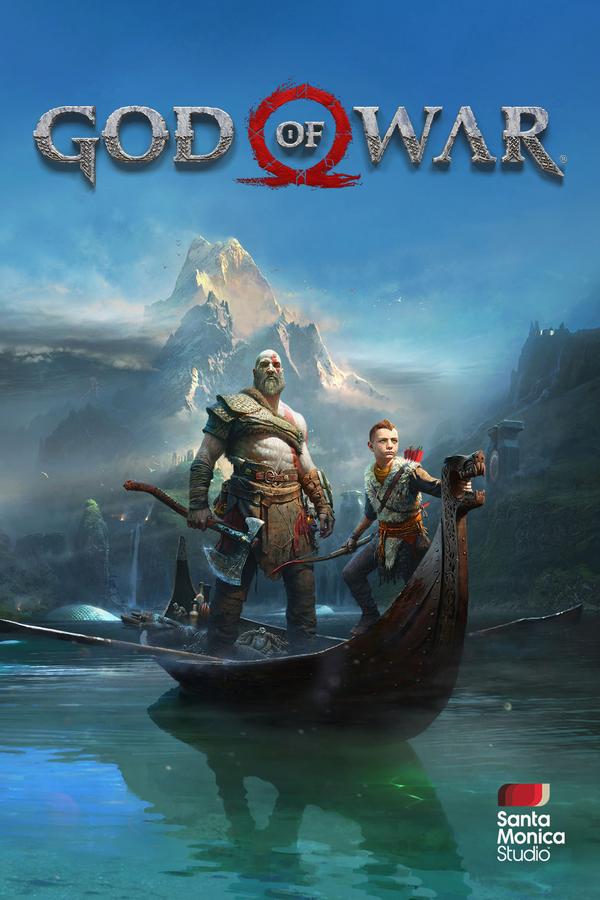
The bond between Kratos and Atreus is up there with the likes of Ellie/Joel and Lee/Clementine. Kratos’s seething and strict demeanor is perfectly juxtaposed against Atreus’s jovial and curious personality; both of these characters will get on your nerves by design. Kratos plays an over-the-top straight man in this bizarre world, and it’s good to have one character in a position to ask him to lighten up a little; anyone else would get an ax through their skull.

As video games are starting to be taken more and more seriously as an art form, it seems logical that the major studios would shy away from or even turn apologetic for their questionable pasts. The original God of War was egregious even in its own time. The original games still have their place and are great in their own ways, but the 2018 reboot stripped away the juvenile edginess and built upon what really makes the series work – this is an action-packed journey into the land of ancient gods.

The Greatest Games: Night in the Woods (2017)

Night in the Woods (2017)
Developed by Infinite Fall

With the medium focused on stories which are bigger than life – a necessity when so many are built around combat – it’s surprisingly rare to find a game which feels truly personal. Growing up queer in an industrial town on the decline, where being gay was not just taboo but borderline unfeasible, I never expected to find a high quality game reflecting these aspects of my experience.

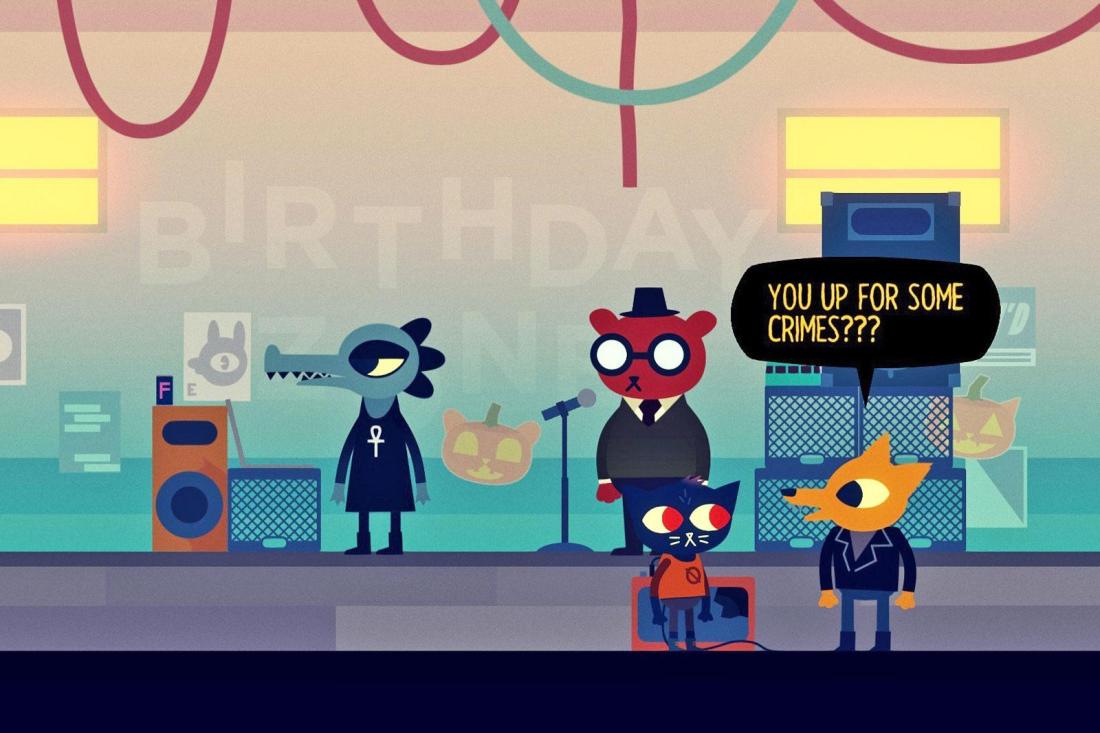
Night in the Woods is that game and so much more. You play as Mae, a recent college dropout returning home to try to get a grip on her failing mental health. The town is being hit hard after their mines have closed, but she tries to remain above water by reuniting with her childhood friends. The nostalgia beats heavy in the beginning, Mae and Gregg catching up with each other like nothing has changed. But things have changed, and Gregg is now planning a future with his boyfriend. Other bestie Bea is painfully serious, rightfully chiding Mae at various points for trying to regress into childhood familiarity while everyone around her is trying to get by and move on.

A lot of queer representation in gaming feels rather shallow, whether it’s a mainstream game fumbling with serious issues (if they’re even attempting anything beyond a mild reference) or an indie game operating as wish fulfillment in a magical world with no prejudices. Few feel as honest as Gregg and Angus, who are already in the midst of a long-term relationship. Their story captures that underlying feeling of growing up somewhere that has never truly felt like home. In a side-conversation, Bea brings up her own concerns; what are the chances the only two openly gay men their age are going to stick together if they move to a city with more options? Where so many stories hyper-focus on external factors like homophobia, Night in the Woods goes straight to internal fears. Beyond prejudice, finding actual love when your options are so limited feels impossible. Even within one of those impossible relationships, that fear can linger, that your partner has chosen you not out of love but loneliness. By directly confronting these issues, their relationship becomes that much sweeter as the game reinforces what has brought them together.

The game does an equally powerful job representing economic hardship. Early on, Mae’s favorite restaurant suddenly closes shop, a sad reminder every time you cross the town. As you go to meet up with her friends, you realize they’re all stuck in retail jobs; even Mae’s father has been reduced to working at a deli. Upon Mae’s return, Gregg convinces her to join his band practice, where they play a song titled “Die Anywhere Else.” This struck a familiar chord; as a teenager, the idea of spending my entire life in the same place was one of my greatest fears. Yet the sentiment reinforces the theme so well; it seems so simple, but how do you get anywhere else without money? Working class life in a small town feels like a vortex where you start low and can only be dragged lower – which adds an extra layer of sadness that someone like Mae would choose to return.

Traditional for any story involving a small town, there’s something very wrong beneath the surface. Mae’s other close friend, Casey, has been missing for a long time. But what makes this game so special is that it focuses on the more mundane issues. Any exploration of this mystery serves more to reinforce the bond between these characters.

This is about as story-heavy as video games come; aside from a roguelike you can play on Mae’s computer, moments of gameplay beyond exploration are few and far between. Some of those moments are memorable, such as the aforementioned Guitar Hero-styled band practice or a knife fight with Gregg, but what makes this stand as an all-time great is the sheer quality of the writing throughout. It’s not just the main story that shines. Several NPCs you pass on the way to visit Mae’s friends have their own evolving story, giving you an actual reason to stop and chat. With such well-defined characters, Possum Springs is one of the most vibrant towns in a video game.

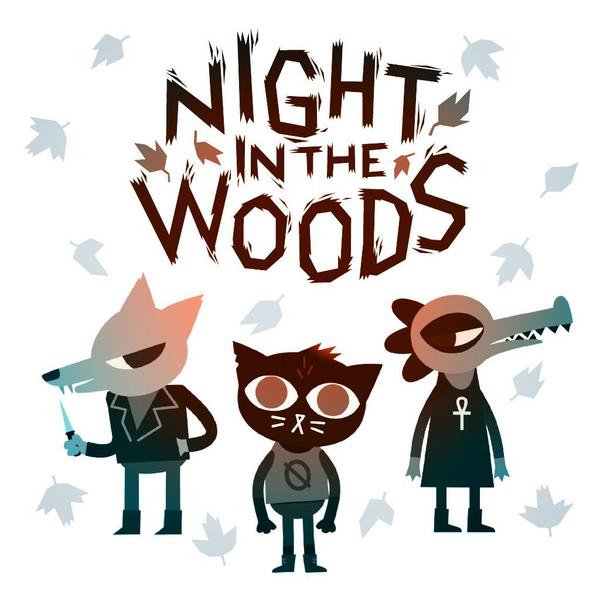
Adding to this charming town is the game’s simple art style. The characters are cute, anthropomorphic animals, which makes swallowing some of these heavy concepts a bit easier. It’s hard not to fall in love with Gregg the moment he appears, happily flapping his arms as he’s reunited with Mae. The use of warm colors throughout perfectly capture the spirit of its autumn setting.

Though it falls squarely in the adventure genre, few games actually feel like Night in the Woods. Tackling serious subject matters in an incredibly approachable style while ultimately being a story of friendship, it never feels too heavy. While not necessarily pushing the boundaries of the medium, Night in the Woods takes a resonant story and tells it incredibly well.

The Greatest Games: Super Smash Bros. Ultimate (2018)

Super Smash Bros. Ultimate (2018)
Developed by Bandai Namco Studios and Sora Ltd.

Starting with the announcement of Solid Snake being added to Super Smash Bros. Brawl, the hype started overshadowing the final products. It’s hard not to get carried away when this mega-franchise opened up its gates to gaming at large. The wish-fulfillment surpassed all reasonable expectations; who truly expected to see Cloud Strife or Banjo & Kazooie make it in, let alone Joker and Bayonetta? The cast is an absolute grab bag of gaming’s best characters.

Such hype can be deceiving; there are plenty of character-focused fighters with even larger casts, and none have left anywhere near the impact. The true excellence behind the Super Smash Bros. series is Masahiro Sakurai’s insistence that each character play a distinct role within the meta while having their move set based around their original franchise. The character designs balance on a tightrope between balance and novelty, most to a surprising degree of success.

More additions is far from a guarantee of success; Super Smash Bros. Brawl added a ton of characters but faltered with the actual gameplay, slowing the combat to a snail’s pace while also adding random tripping. SSB4 worked its way back toward the frantic speed of Melee, and Ultimate built upon that.

Ultimate takes it upon itself to highlight the ambition of including every single fighter the series has ever featured. In a controversial move, you begin with only the original 8 and must unlock all others. Tedious as it may have been, watching that roster slowly explode before our eyes was a perfect reminder of how far this franchise has come.

At this point in time, the Smash Bros. franchise is all about possibilities – this can be a competitive one-on-one fighter if you want it to be, but the crazier stages and option for eight players at once makes it one of the best party games. As someone who regularly hosts large get-togethers, this has always been one of the biggest video game hits alongside the Jackbox games.

My relation to this series has always been an important one. With the Nintendo Gamecube being my first Nintendo console, SSBM was my introduction to most of these franchises. I had never played a Metroid or Legend of Zelda game, while characters like Ness and Marth offered a certain unreachable allure. It quickly became my goal to try each of these series out. I met Ultimate from the opposite end; I was already familiar with even the most obscure choices but was impressed by each and every one (except maybe the endless deluge of Fire Emblem characters). It’s fan-service, certainly, but fan-service which guided me to bigger and better things.

Super Smash Bros. Ultimate is video games at their most chaotic, overloaded with various modes and features and sold with the promise of a massive and diverse roster. None of this would work if the franchise itself did not keep toe-to-toe with those it includes, all thanks to a magically simple fighting system. It may not offer the complexity of more hardcore fighters, but when my experience with those has always been consistently lopsided toward the more familiar player, I’ve always found it more fun when even the worst player has an outside chance.

The Greatest Games: Devil May Cry 5 (2019)

Devil May Cry 5 (2019)
Developed by Capcom

Devil May Cry just might be gaming’s most inconsistent franchise, but Capcom managed to finally land another outright success with the most recent entry. Devil May Cry 5 has everything fans could have wanted from a follow-up to DMC3, without the shoddy level and enemy design of 4. DMC4’s greatest improvement was the ability to instantly transition between Dante’s four combat styles, a feature which finds a new home here. In a genre all about switching up your attacks, any additional option is fantastic. Devil May Cry 5 feels as smooth and expansive as they come.

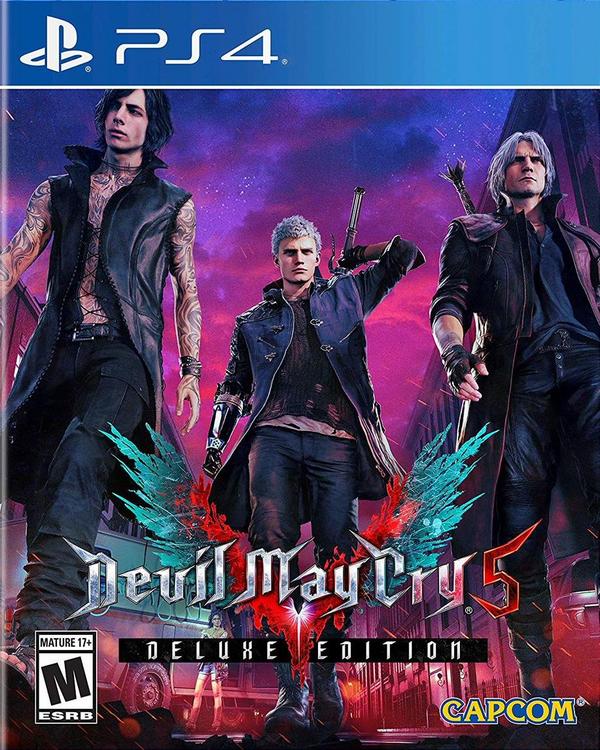
DMC5 hits a special niche by having three diverse protagonists, forcing the player to adapt to their unique styles between missions. Nero returns from DMC4 with his fun abilities to quickly shorten the distance between himself and enemies. Dante has a few new tricks, but his familiarity is key to making this a true Devil May Cry experience.

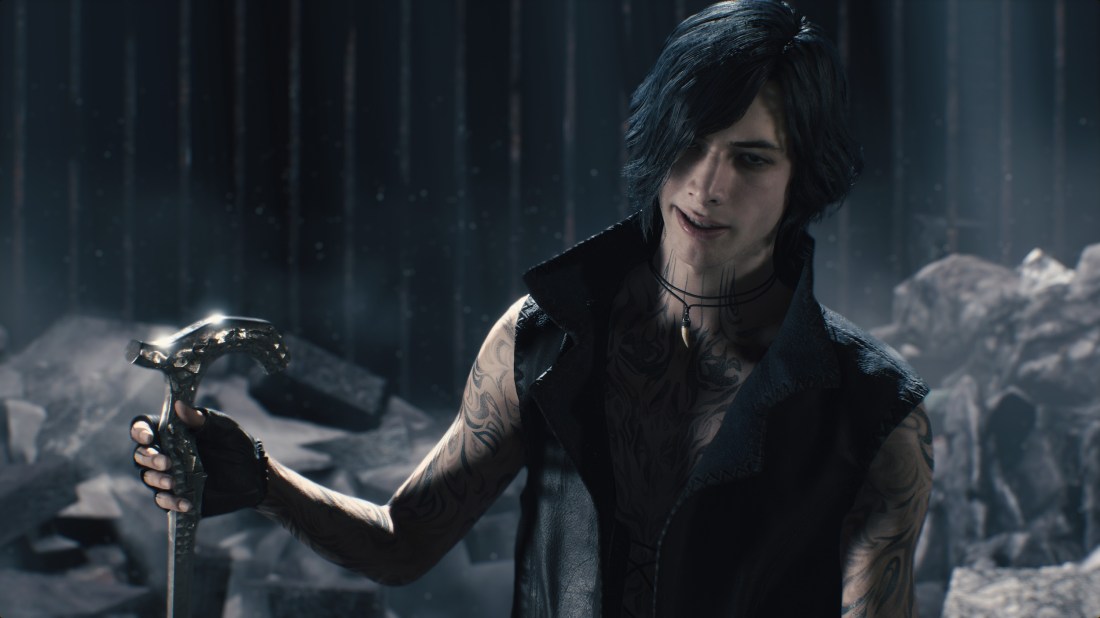
The true highlight here is the third protagonist, V. In a genre all about getting up in enemy’s faces, Capcom came up with the ingenious idea of integrating a summoner. V comes with three familiars who do the fighting for him, though he is always forced to deliver the killing blow. Until that moment arises, you have the option of getting some distance and reading from a book of poetry by William Blake, an action which increases your devil trigger meter. The controls all work very similarly, with the attack buttons giving commands to the familiars. It’s a total innovation that never feels out of place, adding a distinct layer of strategy around your relative positioning.

Devil May Cry has always played with the idea of ‘cool,’ with both Dante and Nero precariously straddling the line between dorky and cool in their over-the-top gestures. V, meanwhile, feels like an effortless success. He’s what everyone who ever shopped at Hot Topic wishes they could be. His weird tendency to recite Blake in every possible situation perfectly contrasts with and sometimes builds upon the series’ tendency toward quick banter. Like Vergil back in DMC3, V acts as a perfect foil.

A cool new feature called the cameo system changes up a few missions. As the three characters’ stories intersect, you will sometimes see what the others are doing. Instead of this being a simple background event, these are other actual people playing another mission. This seamless multiplayer integration is a neat touch, and two missions end up being full-on cooperative.

Outside of these new features, Devil May Cry 5 is a continuation of everything we loved about the series. Excellent gameplay, terrific enemies and level design, and a somewhat cheesy story serving a much more effective central conflict – the only thing missing from DMC3 is the thoroughly excellent bosses, but few games have ever compared to that, and those DMC5 does have are still great. V is enough of a change of pace to make up the difference.

Devil May Cry has always served as the preeminent Character Action Game series, and the fifth entry’s excellence means DMC3 can stop carrying that load all by itself.

The Greatest Games: Into the Breach (2018)

Into the Breach (2018)
Developed by Subset Games

The strategy genre comes in a variety of flavors. Do you want real-time or turn-based gameplay? Do you want to command a small band of warriors or control an entire empire? Whatever the case, the philosophy behind the genre all seems pointed the same way – the more complexity, the better. Some of the meatiest games in this genre, usually falling under the 4X subgenre, are so complex that even their in-game tutorials are largely inadequate. The time required to simply wrap your head around something like Crusader Kings II could be used to play through an entire JRPG.

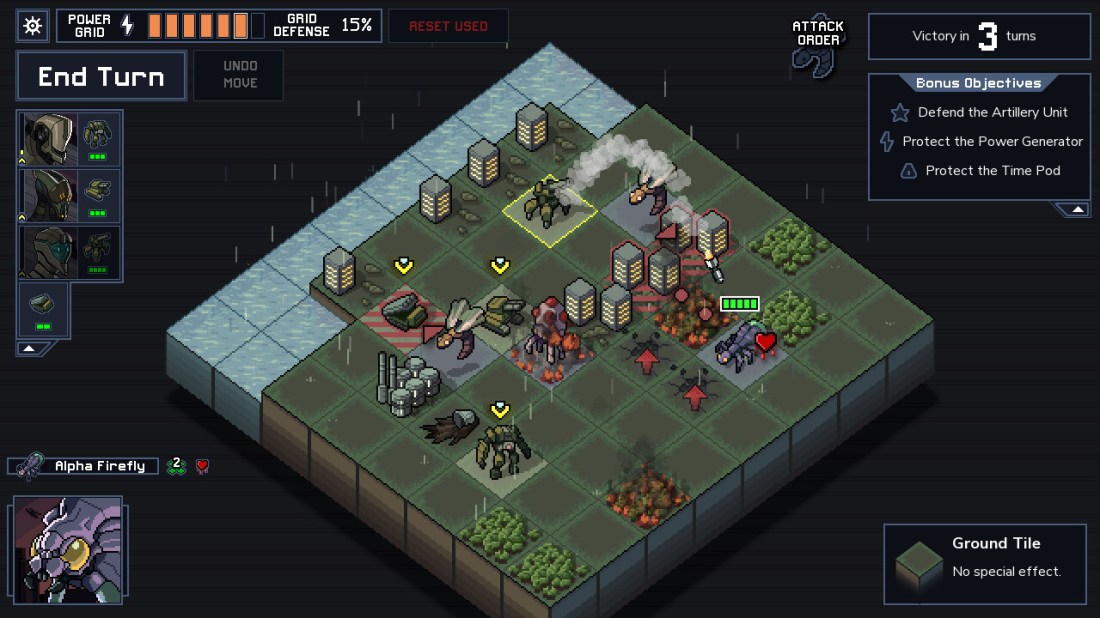
Into the Breach shoots recklessly in the other direction, operating almost as strategy in arcade form. During battle, you are limited to three mechs in a fight against giant insects. Like a standard SRPG, you get to move each of these mechs and then attack. The controls are ridiculously simple, but like so many other great minimalist games, that serves the purpose of allowing the game to build up an intricate web of challenging scenarios based around that simplicity.

Into the Breach never lets up. If there’s ever a moment where you feel in control, know it’s only temporary. Set across four islands, each containing several maps, Into the Breach is an endurance run. Each map is littered with civilian structures, and their destruction reduces your campaign’s HP. Thus, the game is more focused on mitigating civilian losses than protecting your own crew, though both will be necessary for a successful campaign.

The ingenious twist on the combat here is that the player’s turn takes place between the enemy’s movement and attack. When they stop moving, the direction they’re planning to attack is shown on the grid along with how much damage they will do. Your own attacks offer a variety of options; surviving in Into the Breach typically has more to do with positioning than outright attacks. While doing some damage can be satisfying, the best option usually involves shoving the enemy so they no longer have a target – even better, you can set them up to attack their own allies. With the game offering the enemy turn order, you can prevent two separate hits in a single move. While being overrun with enemies, you simply must do this; a successful turn can transform your measly three attacks into six or more.

What makes this game so infinitely replayable is the variety of the mechs. There are eight squads to unlock, each consisting of three entirely unique units built around each other’s abilities, along with random and customizable squad options. Each squad is like playing an entirely new game. Where a few are simply based around shoving the enemies, some instead offer the ability to place temporary barriers over the civilian structures, or to turn the enemy in the opposite direction, or to freeze the enemies in place. Each requires you to analyze the situation in a new way, especially since the more powerful abilities have serious drawbacks.

Adding to this is that each mech needs a pilot, who in turn have their own abilities. The right pilots in the right mechs can make an unstoppable force. Pilots can earn experience for additional abilities through combat while you can also earn reactor cores to boost the abilities of both. Unfortunately, any unstoppable force is only temporary. Whether you win or lose a full scenario, you begin the next by sending one pilot back in time, leaving you to scrounge together the rest of your team during the next playthrough. Thus, the game is always fresh, but with just the right amount of continuity.

The islands themselves offer a wide variety, each having their own theme. One has conveyor belts which will move enemies around, while another is also overrun with its own dangerous mechs. The finale unlocks after completing two islands, meaning the islands you choose to tackle are just as much part of your overall strategy. The maps gets consistently harder as you go, but there are advantages and disadvantages to completing more islands. Additionally, each island has seven maps to choose from, but you only have the option of completing four; each map has its own risks and rewards, so you must consider how much you’re willing to risk to get another reactor or a bit more energy added to your health bar.

The best indie games feel as if they come from another dimension where 2D games reigned supreme even after the introduction of the PlayStation. Into the Breach is the minimalist culmination of several ideas we never actually saw. This is a game which feels like it should have always existed; every element present in its design could have been done decades ago. But improved technology is only a tool; it takes a great developer to notice so many overlooked possibilities and mash them all together in one cohesive work. Every part of Into the Breach is simple and clean, yet juggling everything at once proves a suitably challenging experience – the simplicity is a shortcut to the same satisfaction some other strategy games take literally days to provide.